tone of black
a three-way, open-rear loudspeaker for contract listening bars
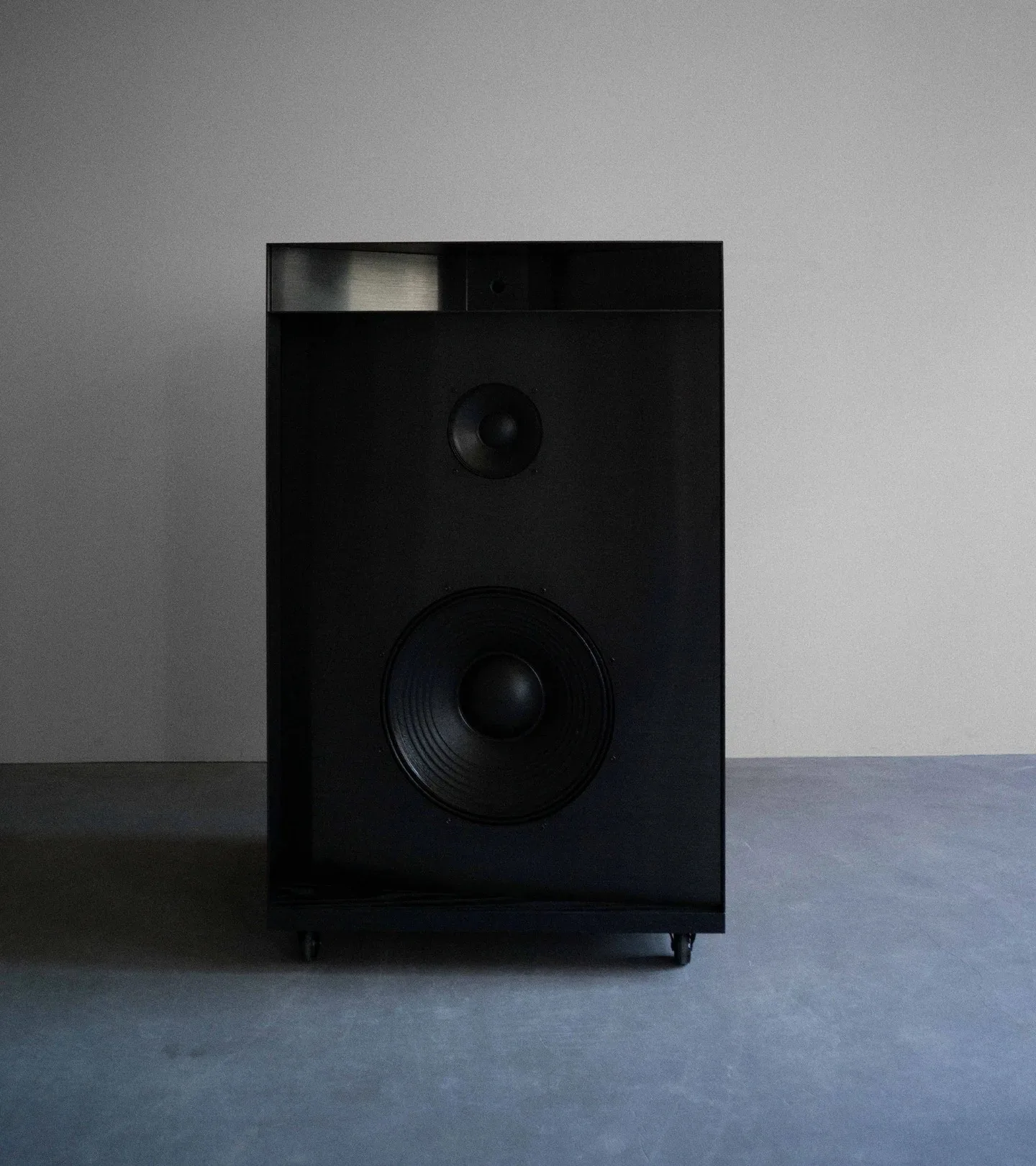
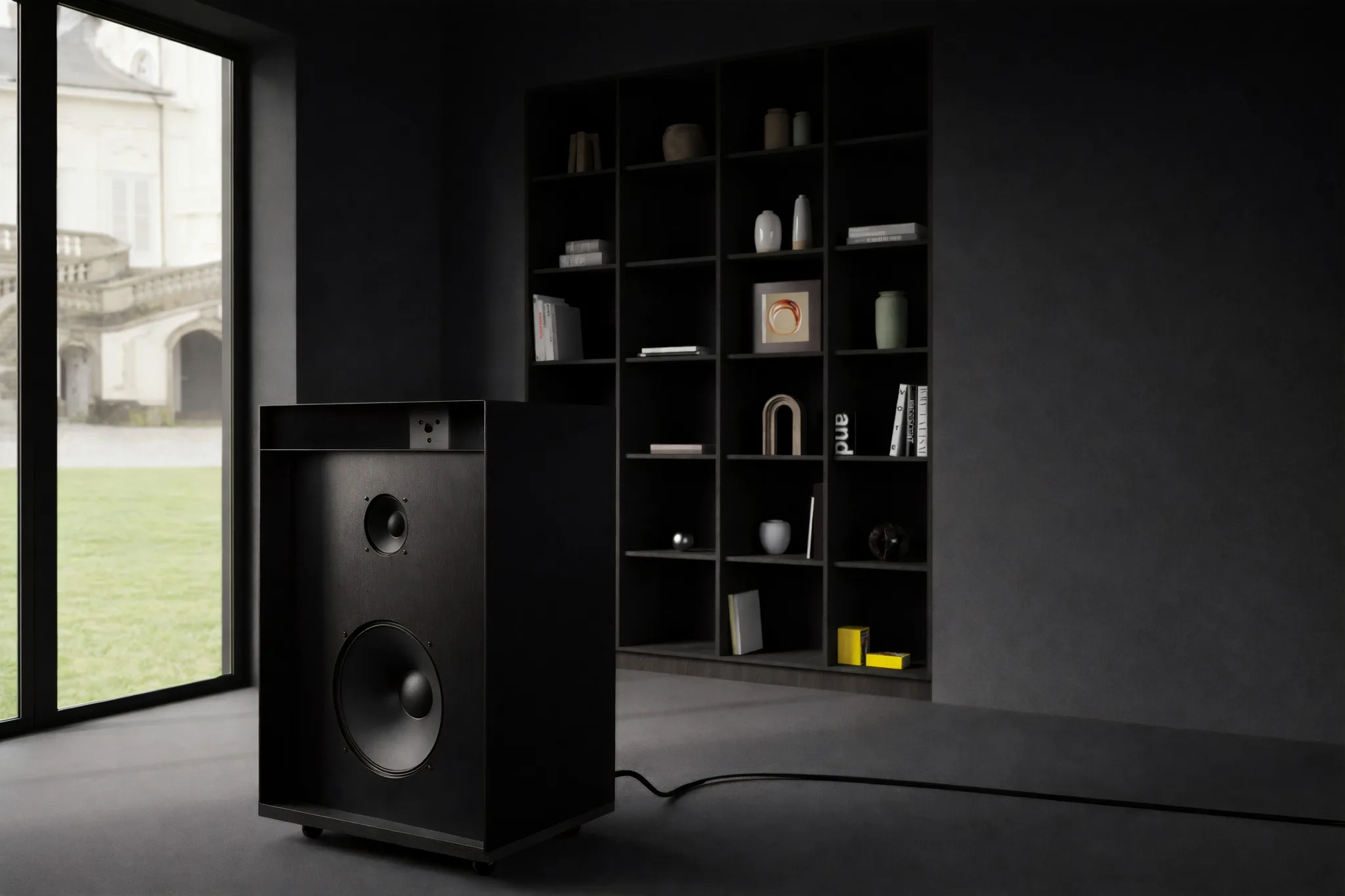
A three-way, open-rear loudspeaker for the contemporary listening bar. Present in its sound, absent in the room.
Tone of Black sits where a brand, an object and a space meet, and it began with a single material asked to prove itself: Abel's true-black stainless steel, a colour grown into the metal, not coated onto it.
Thesis project: Politecnico di Milano, MSc - developed at Teruhiro Yanagihara Studio & Abel Black®
My contribution: research, acoustic strategy, product architecture CAD, DFM, FEA validation, prototyping
01
process
A material in search of a meaning
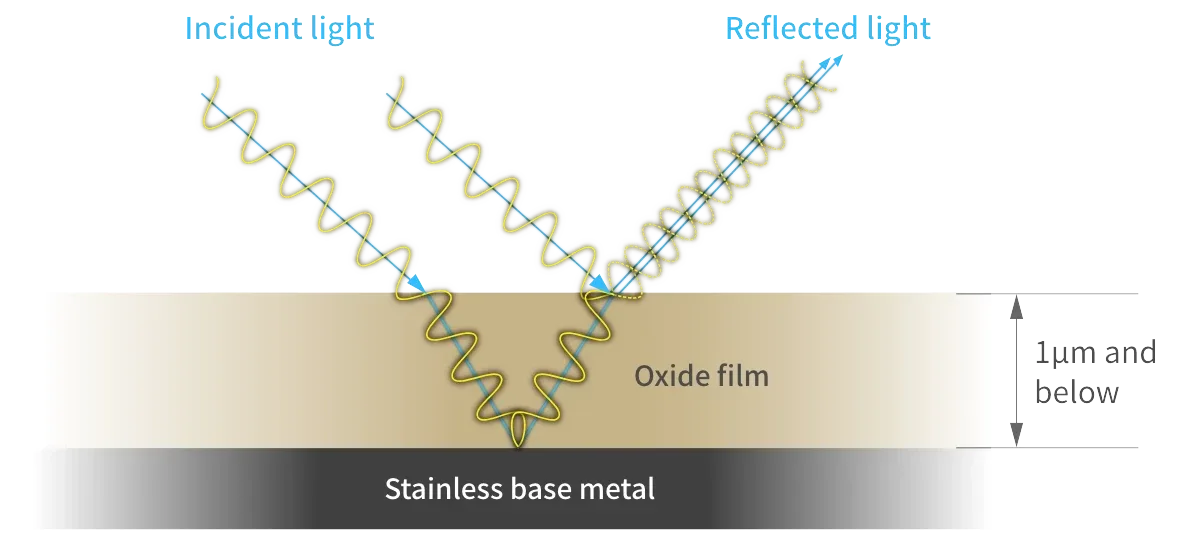
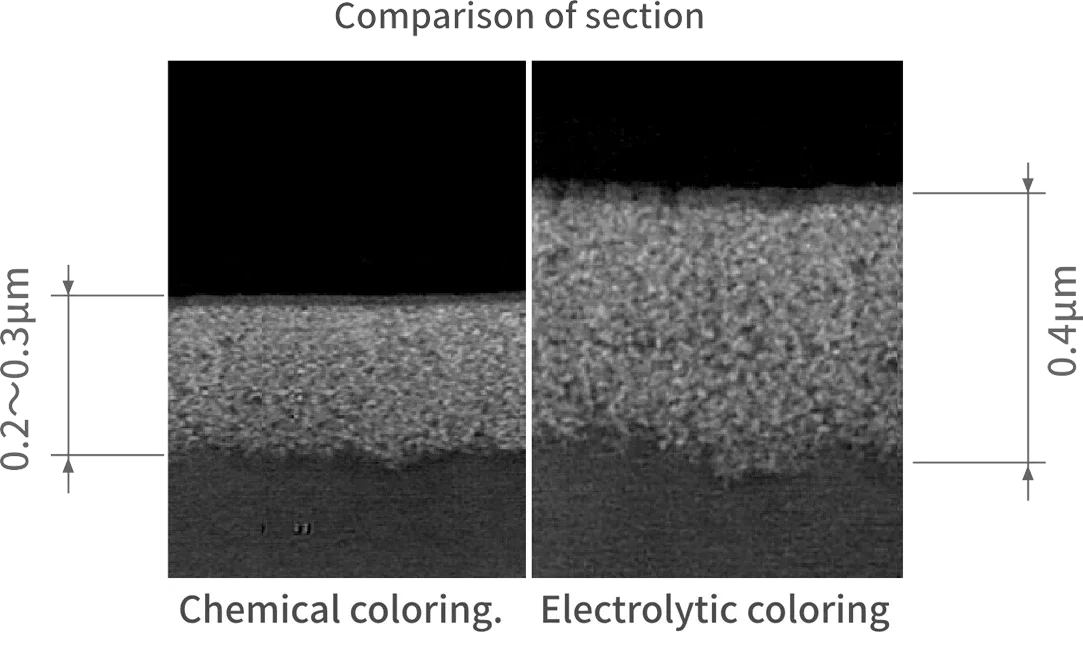
The client, Abel, is an Osaka company that treats stainless steel. Its patented process grows a black oxide film directly on the surface, colour that is part of the metal, not a coat on top, with none of the peeling of a paint or plating. Abel didn't ask for a product. It asked for a manifesto: an object that would attract attention, start conversations, and show what this steel could become. One rule came attached: once treated, the material accepts only cold-working, heat would destroy the finish.

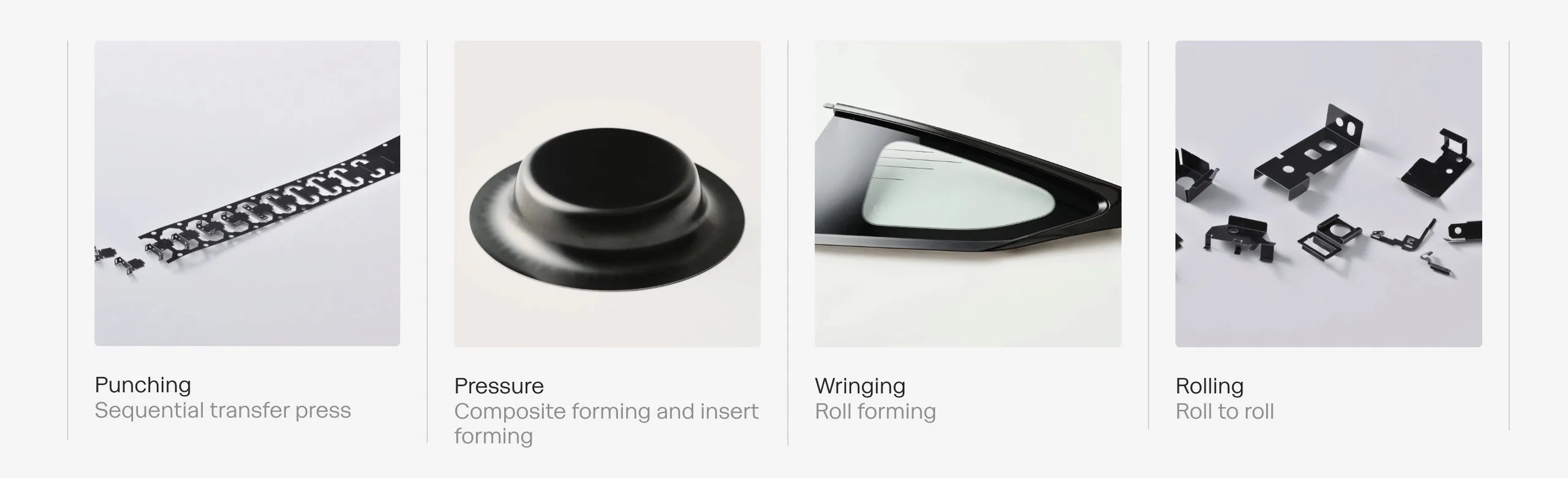
Where steel takes on a new meaning
So the research didn't ask where this steel was already used (architecture, optics, automotive) but where it could mean something new. The answer was high-end audio: an object that is rare and memorable, where image and function cannot be separated, and that speaks directly to interior space, the studio's own territory.
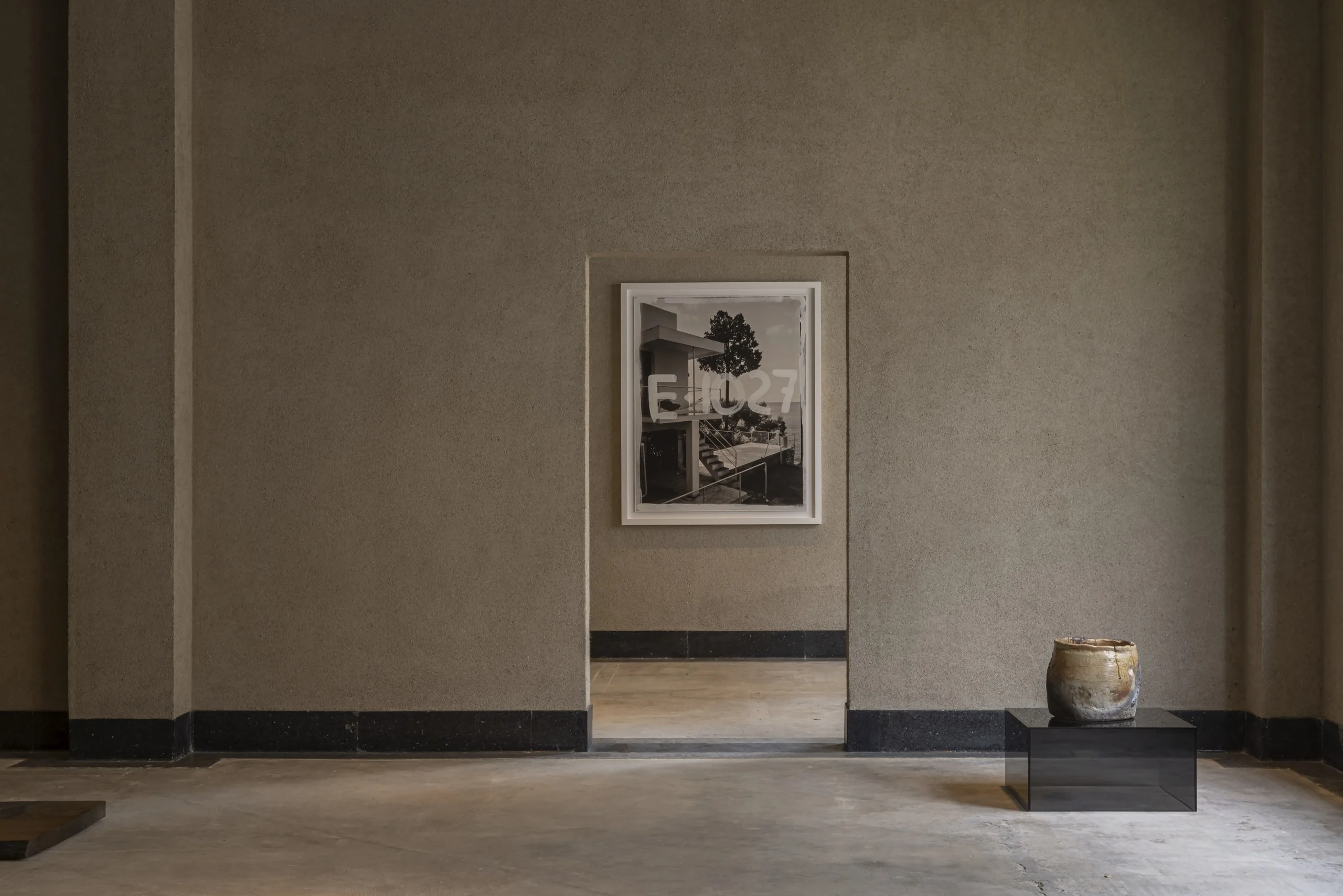
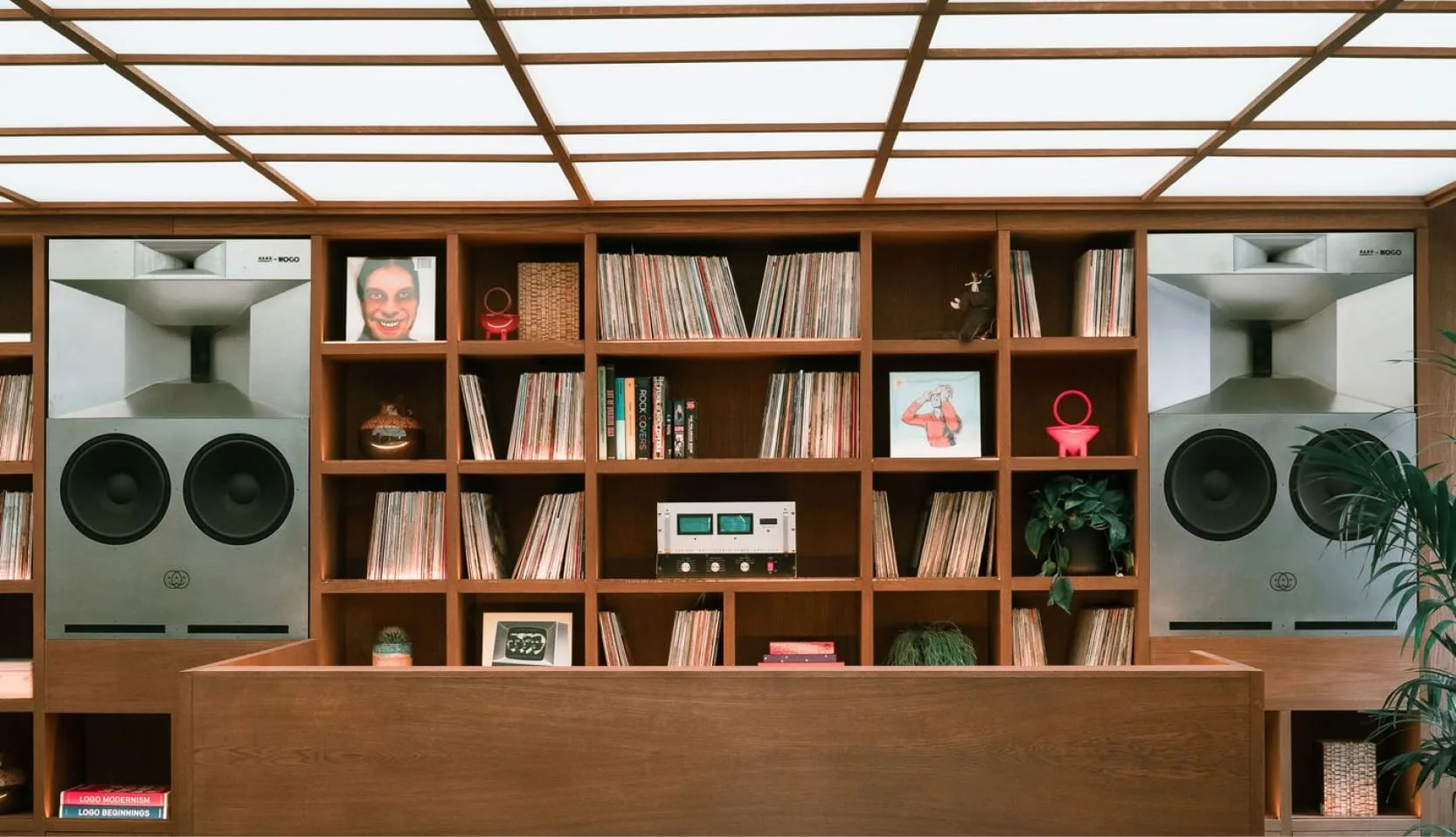
The room is the instrument
Audio also carries a specifically Japanese culture: the ongaku kissa, the post-war listening café built for attentive listening, usually on vinyl, where the system is not furniture but the reason the room exists, inseparable from its atmosphere and architecture. That culture is not history. It has re-emerged worldwide as the listening bar: MOGO in Milan, Public Records in New York. In all of them the principle is the same: you don't listen to a speaker in a room. The room and the speaker are one instrument.
What the room asks for
Designing for that space reorders the priorities. Three demands come before raw fidelity:

Listening fatigue. People stay for hours, so what counts is the quality of the experience over time, clear and engaging, never aggressive or tiring.

Coverage. No one sits in the sweet spot; people move and sit at different distances and angles. The goal is a consistent response across the whole area, not perfection at one point.
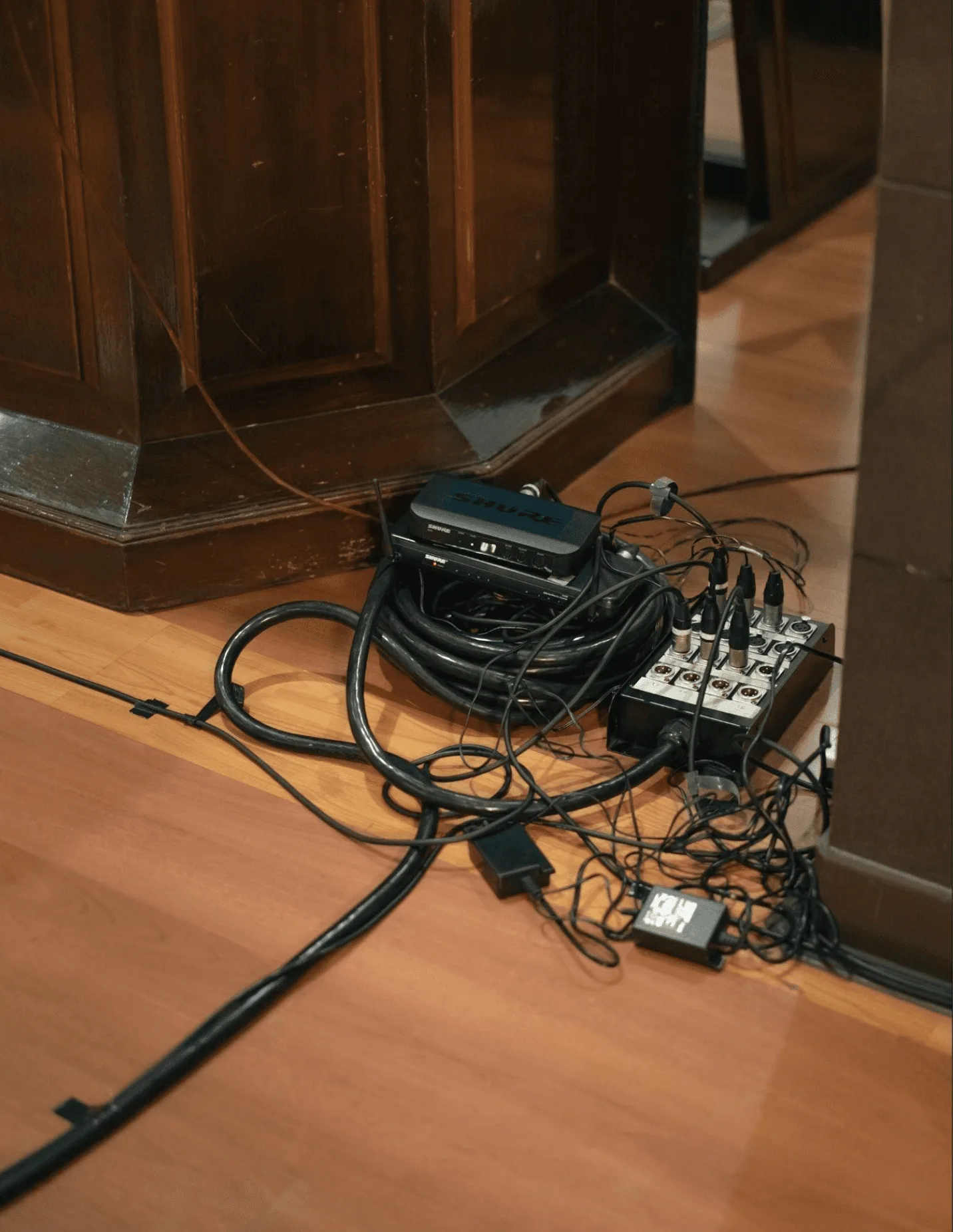
Serviceability. A contract loudspeaker is installed, moved, connected, cleaned and maintained daily. Access, cable management and surface protection are real design requirements.
How do you design a loudspeaker that fills a room for hours, answers to it from every seat, and still disappears into it?
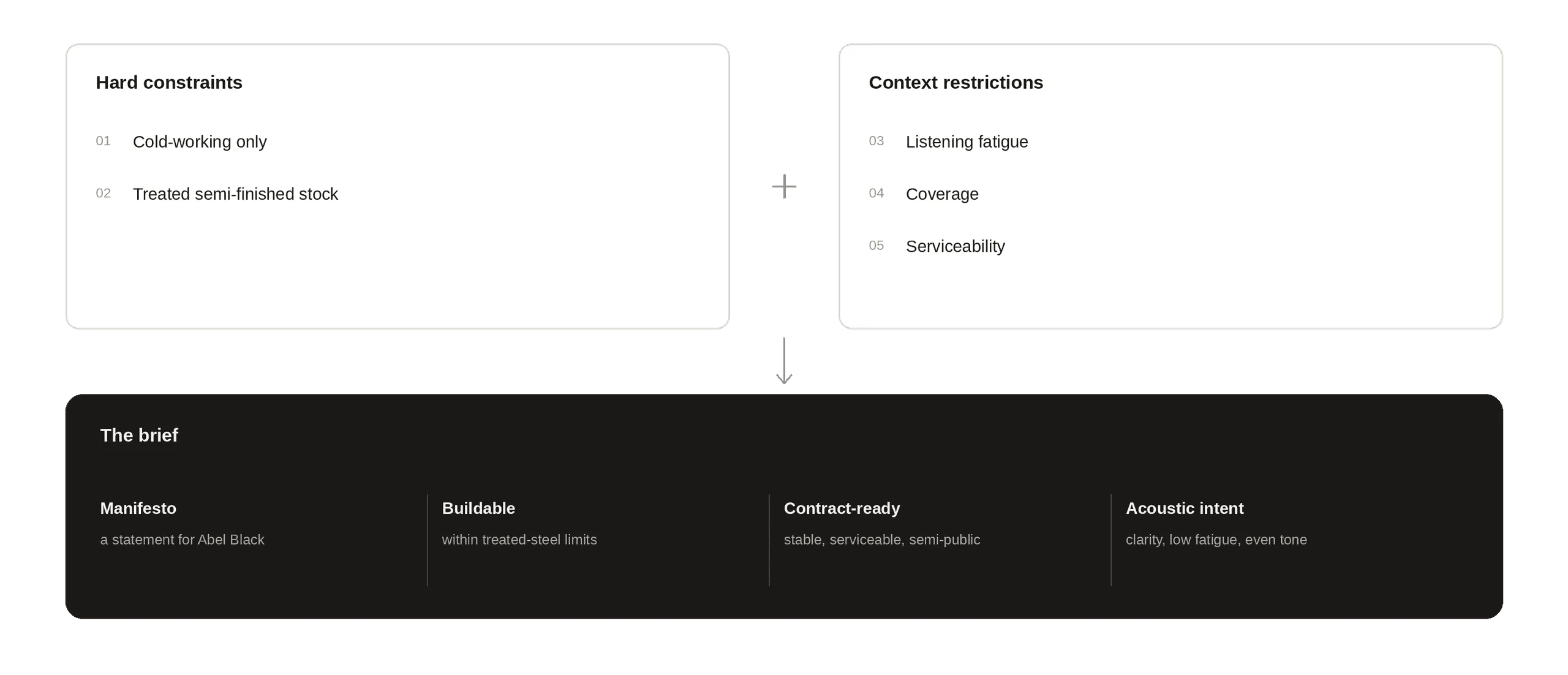
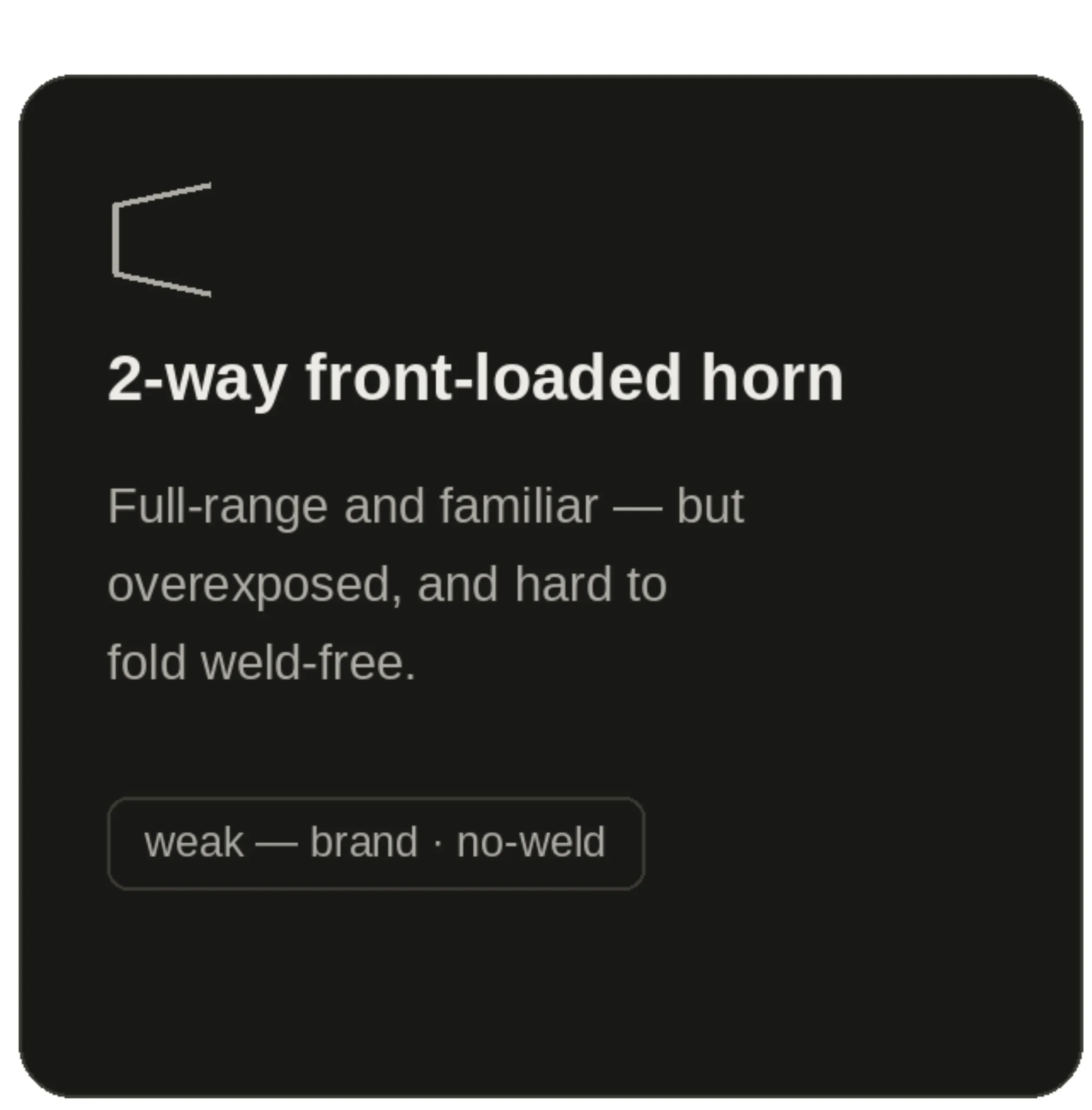
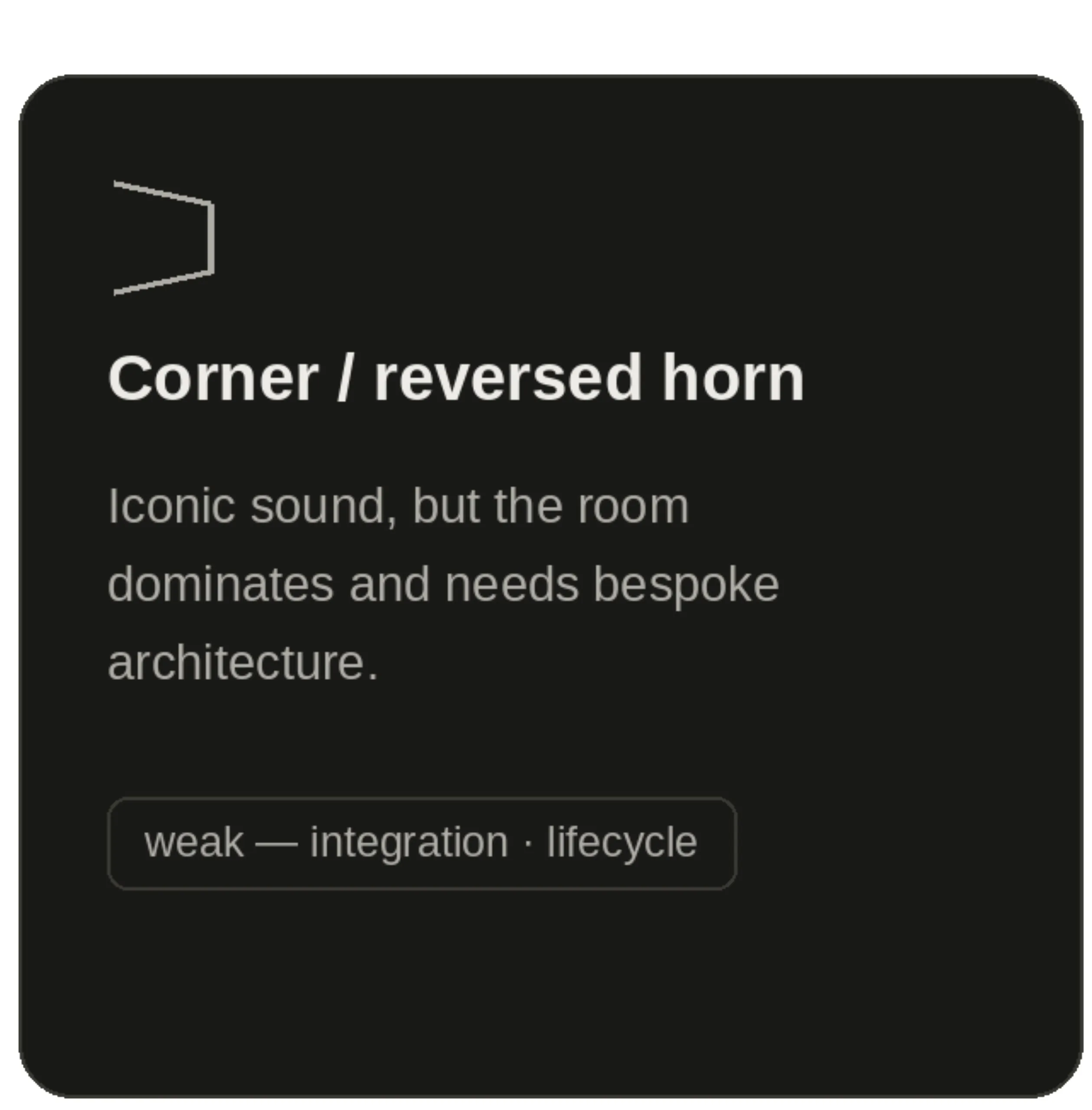
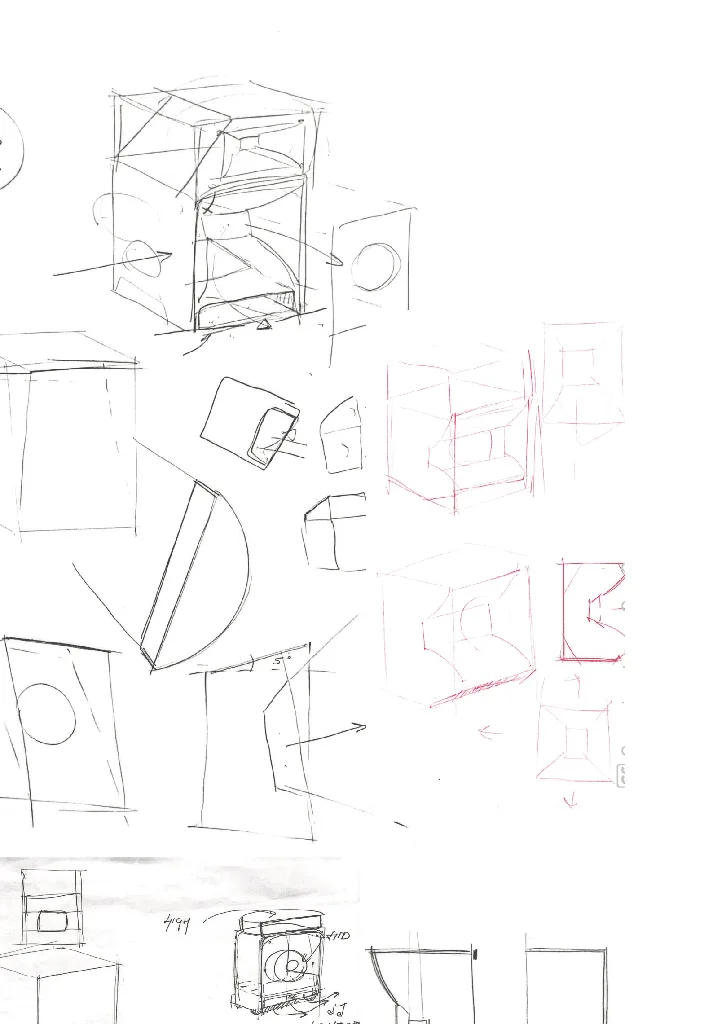
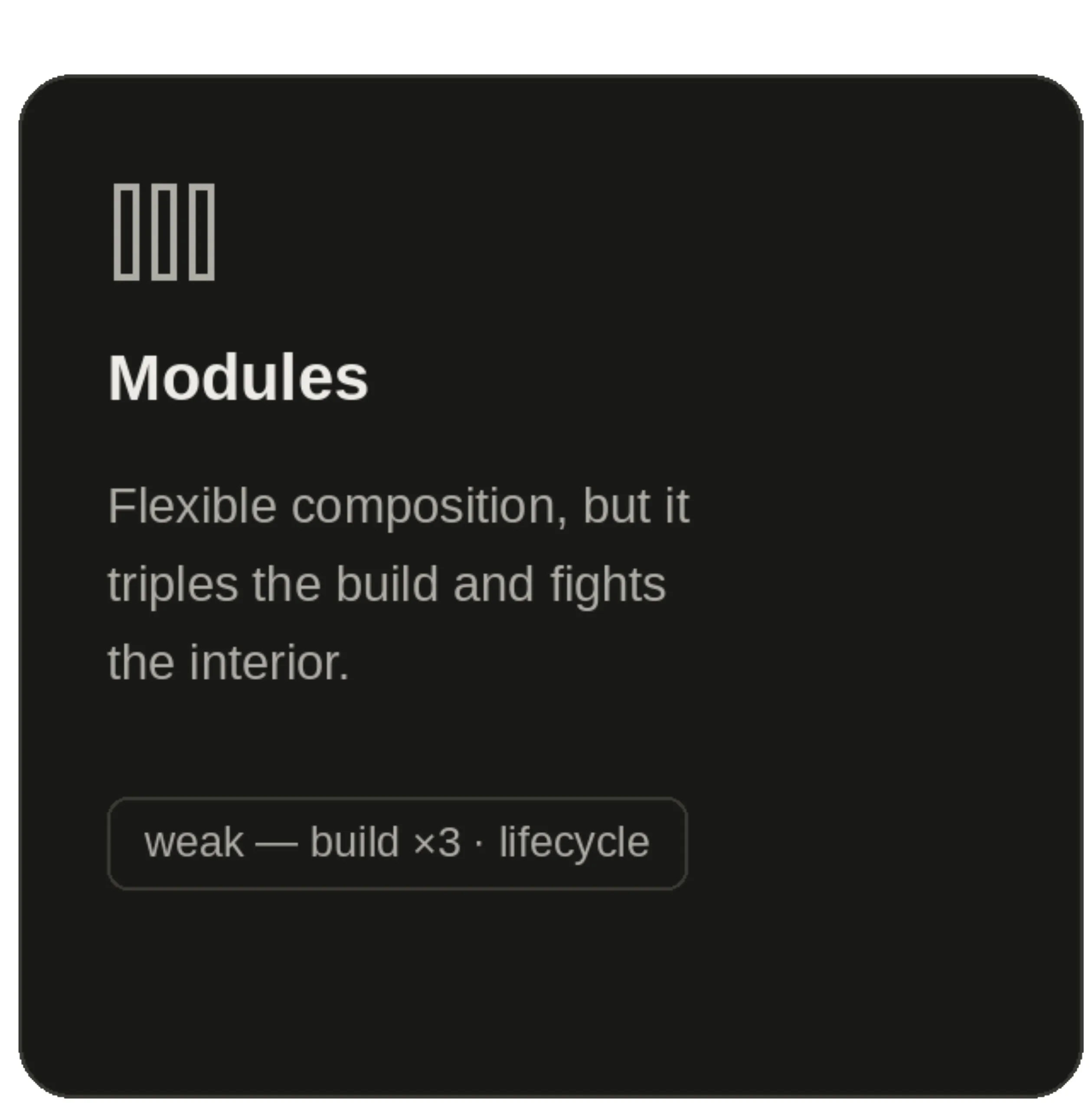
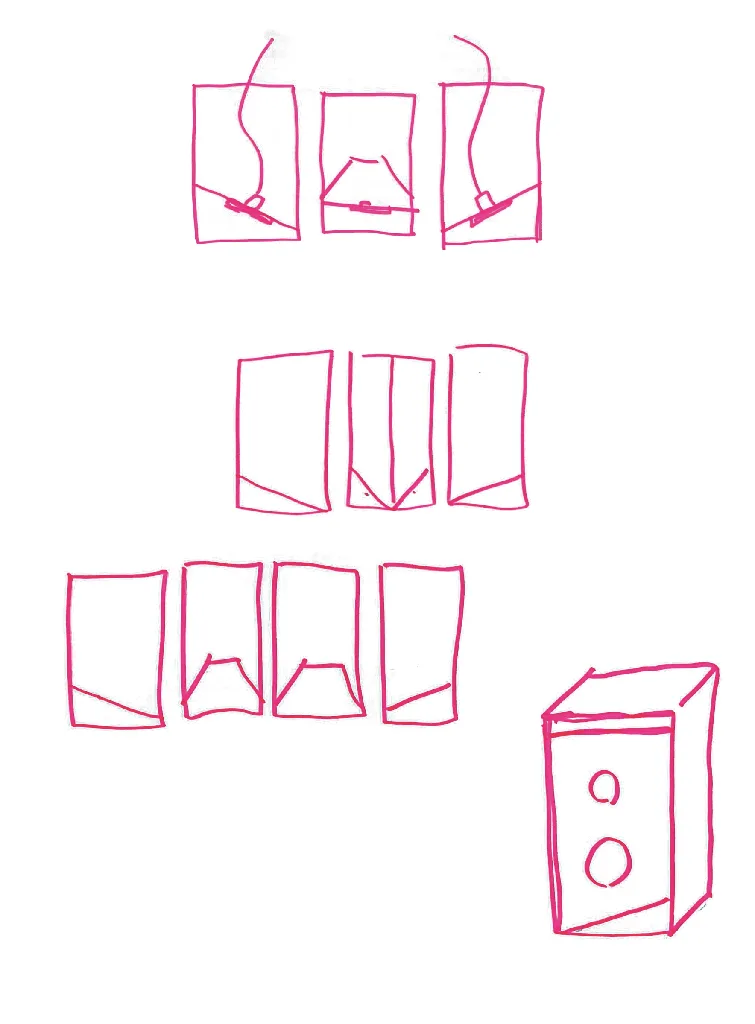
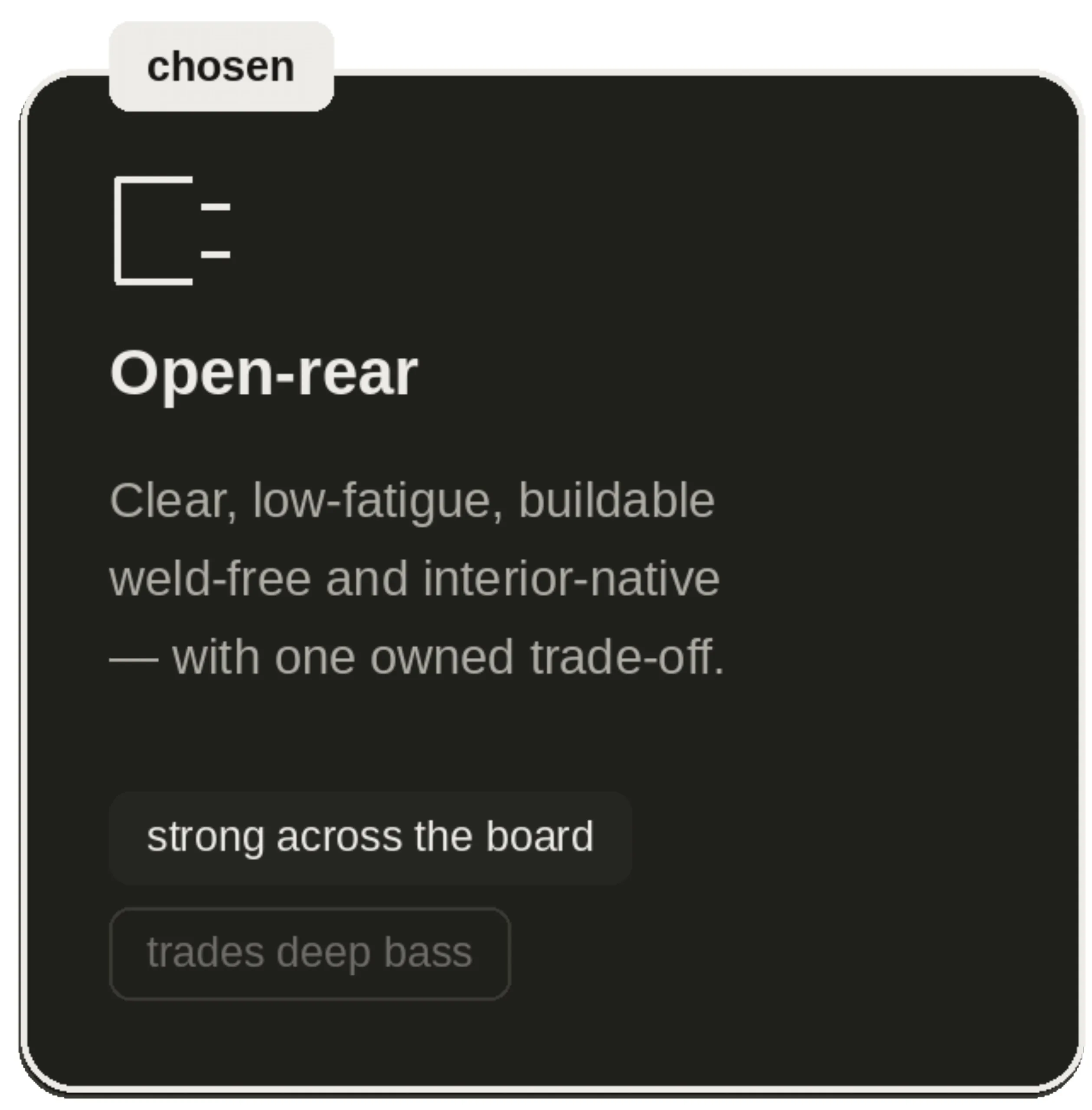
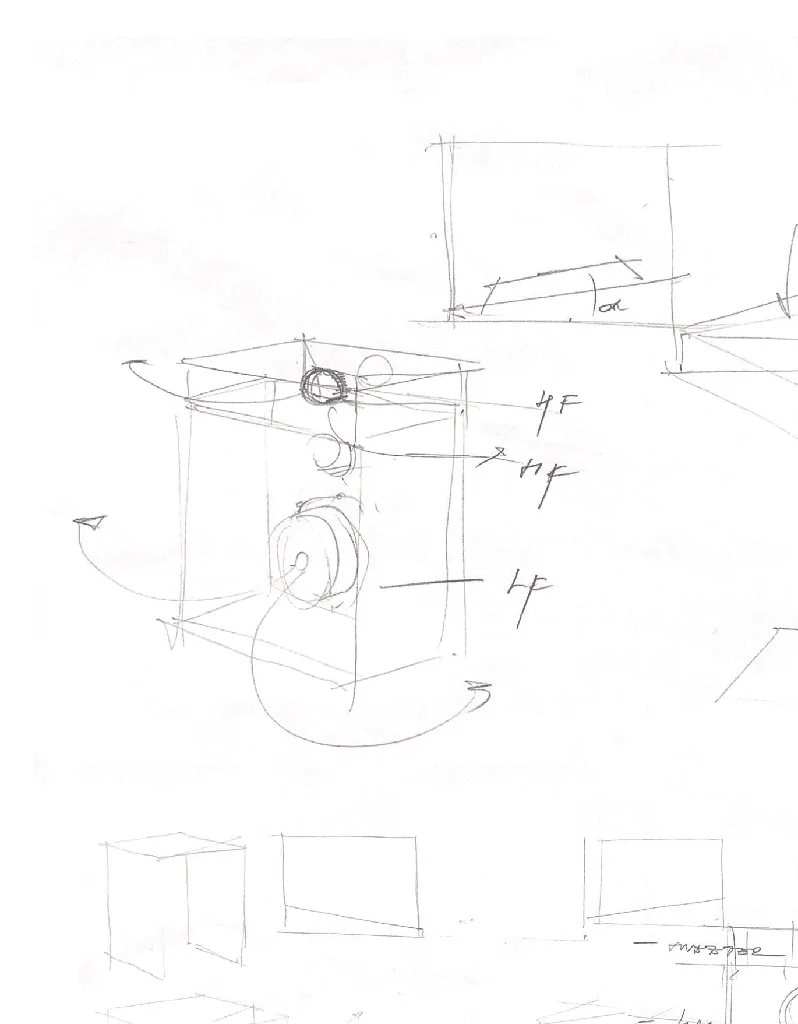
Four architectures, tested against the brief.
Only open-rear answered all of it.
02
final design
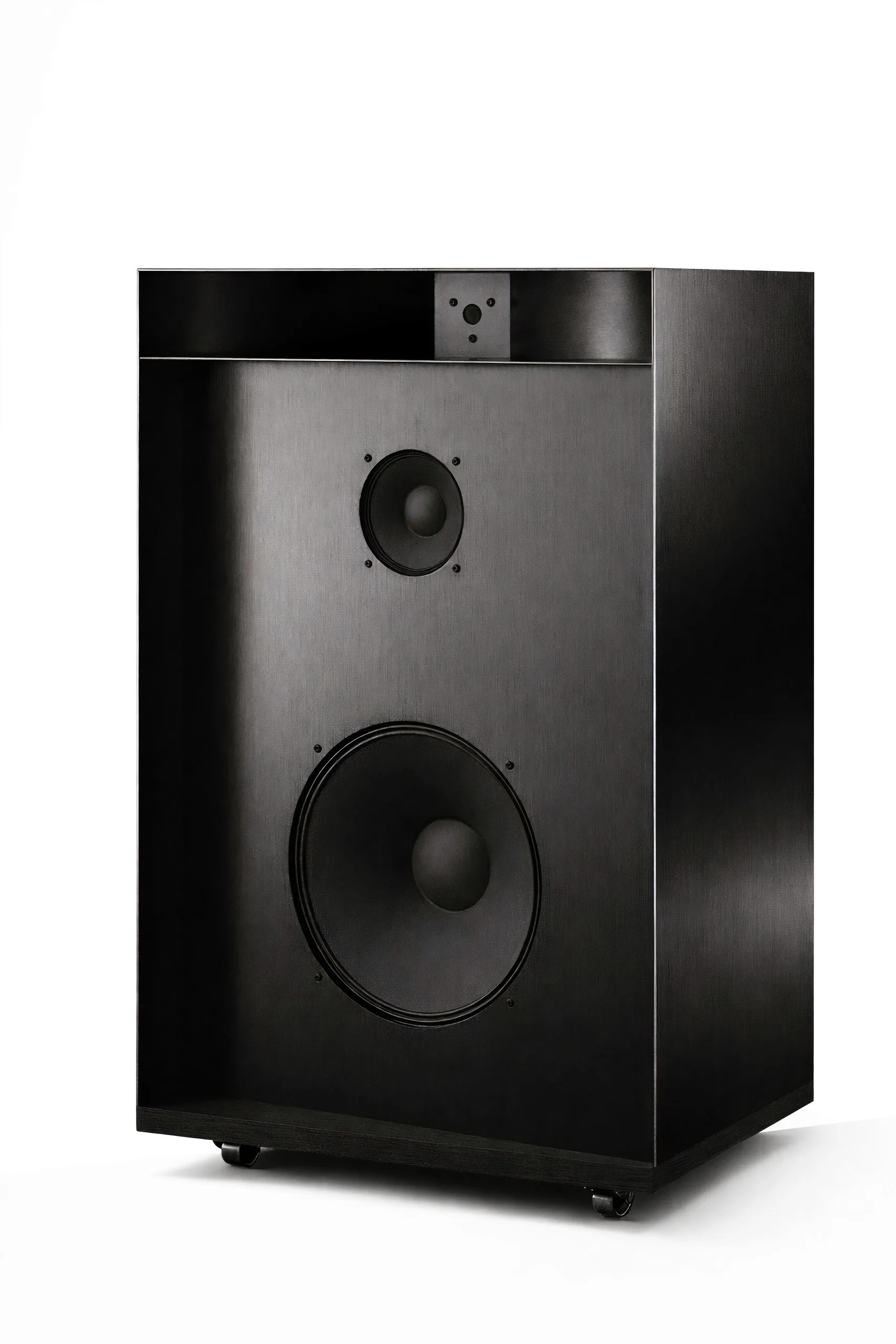
A three-way, open-rear loudspeaker in folded stainless steel, dry-assembled, 665 × 500 × 1050 mm, from 1.5 mm sheet chosen to balance rigidity against weight. The finish is Abel Black's hairline variant: it brings out the material and, over a product's working life, hides the small marks of daily use better than a mirror surface would.
The room made audible - sound architecture
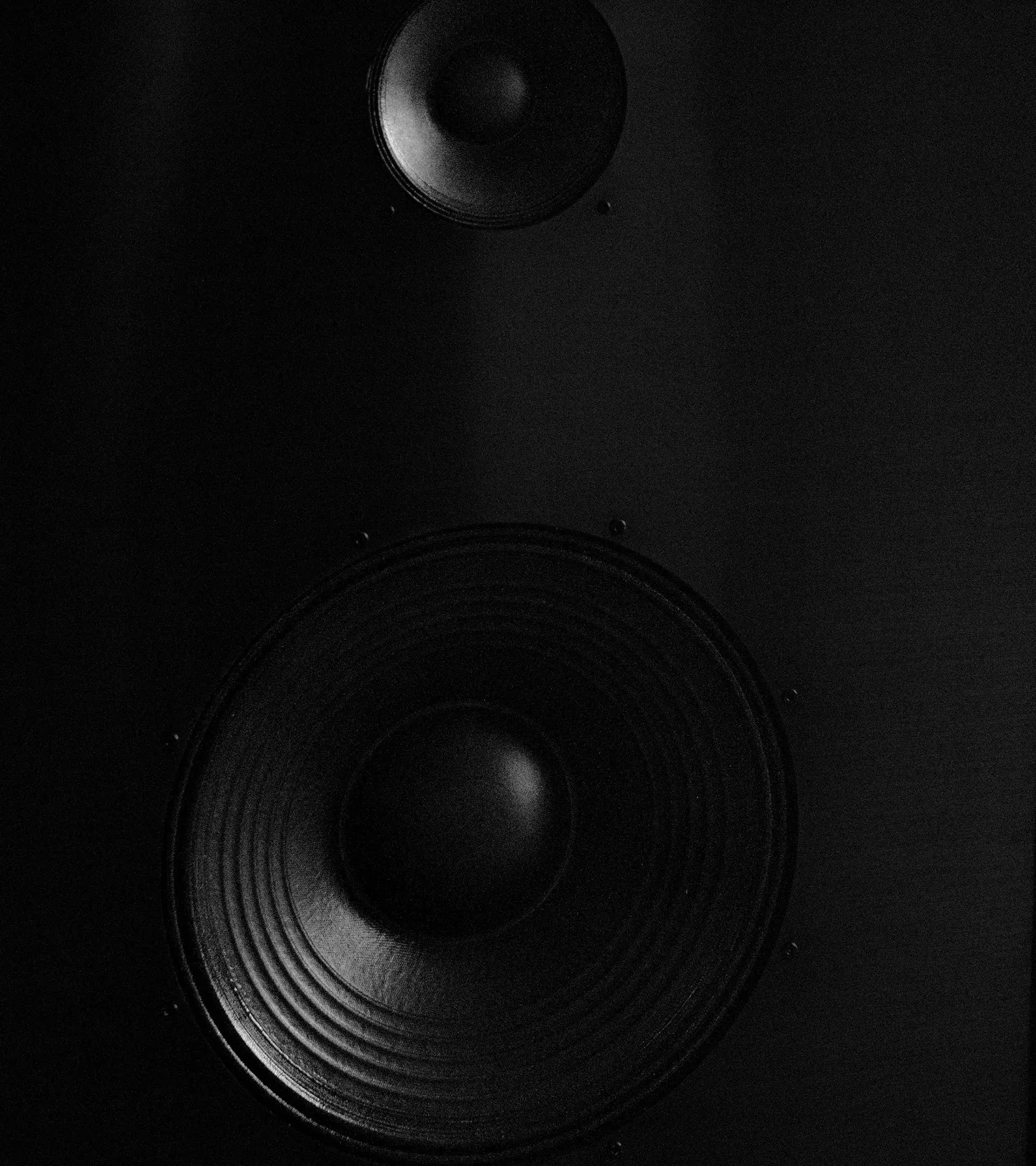
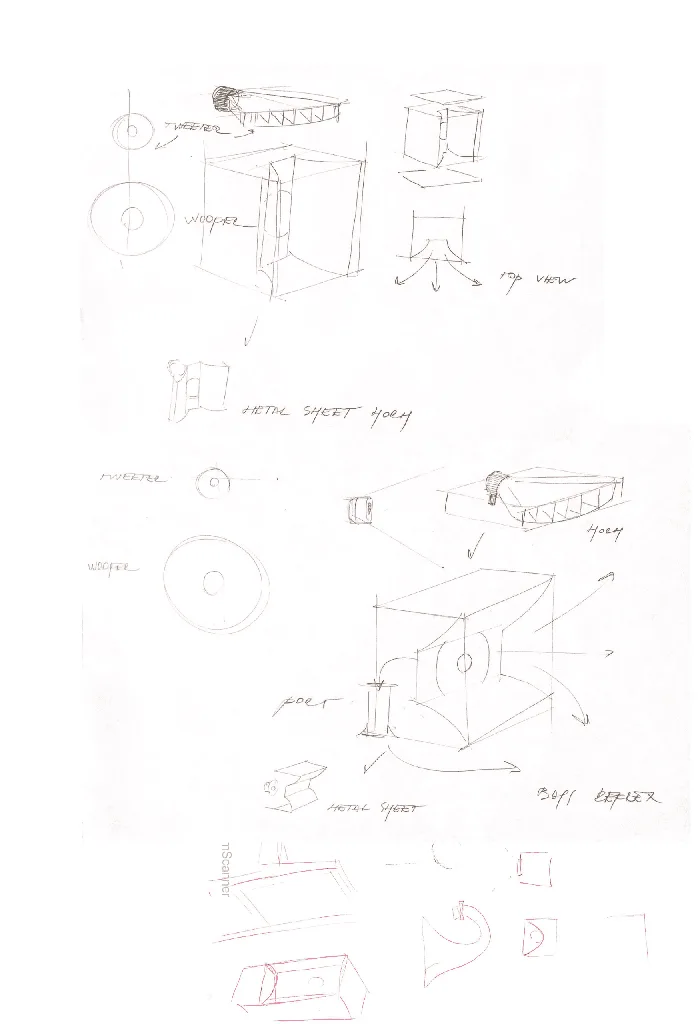
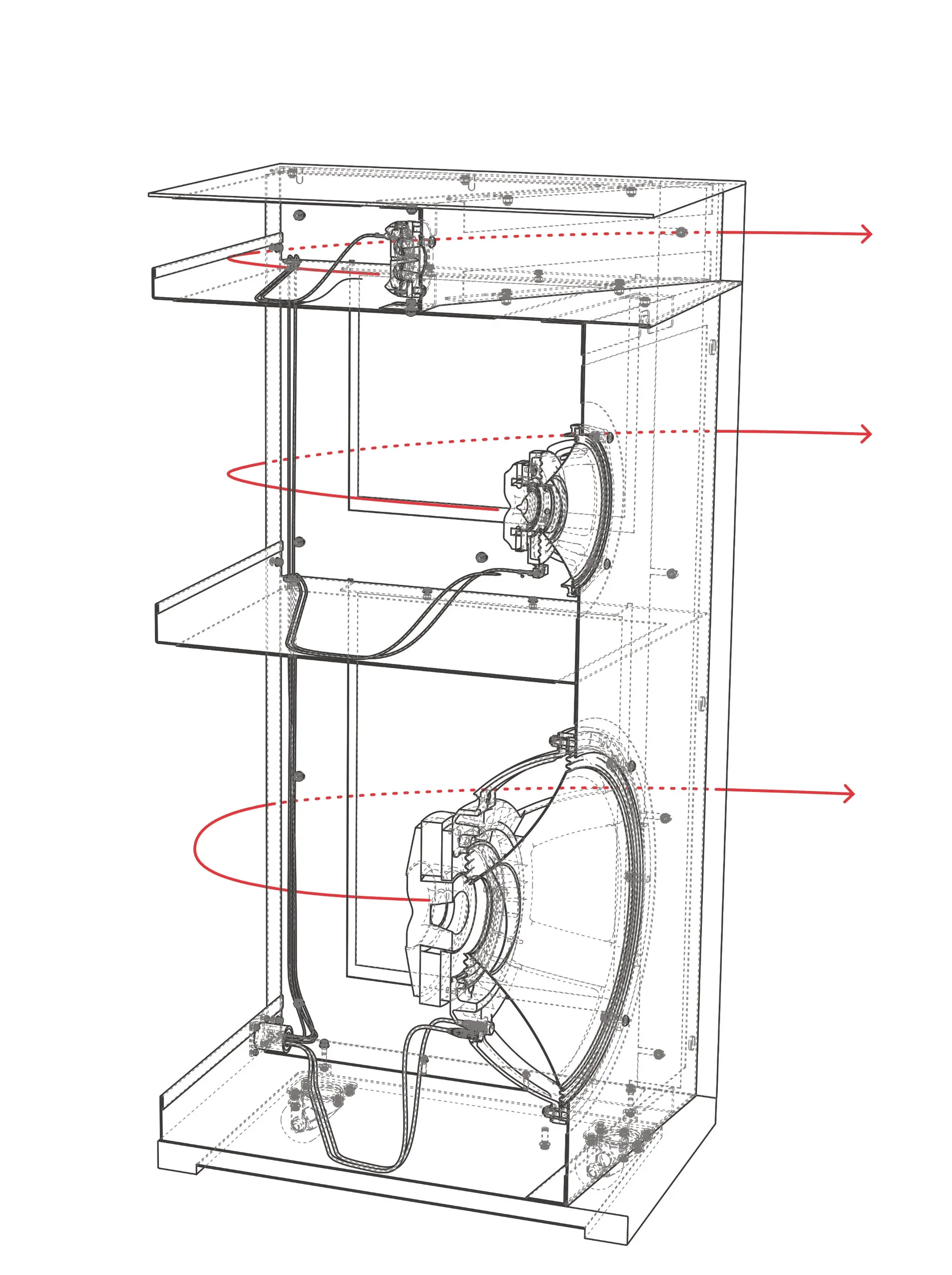
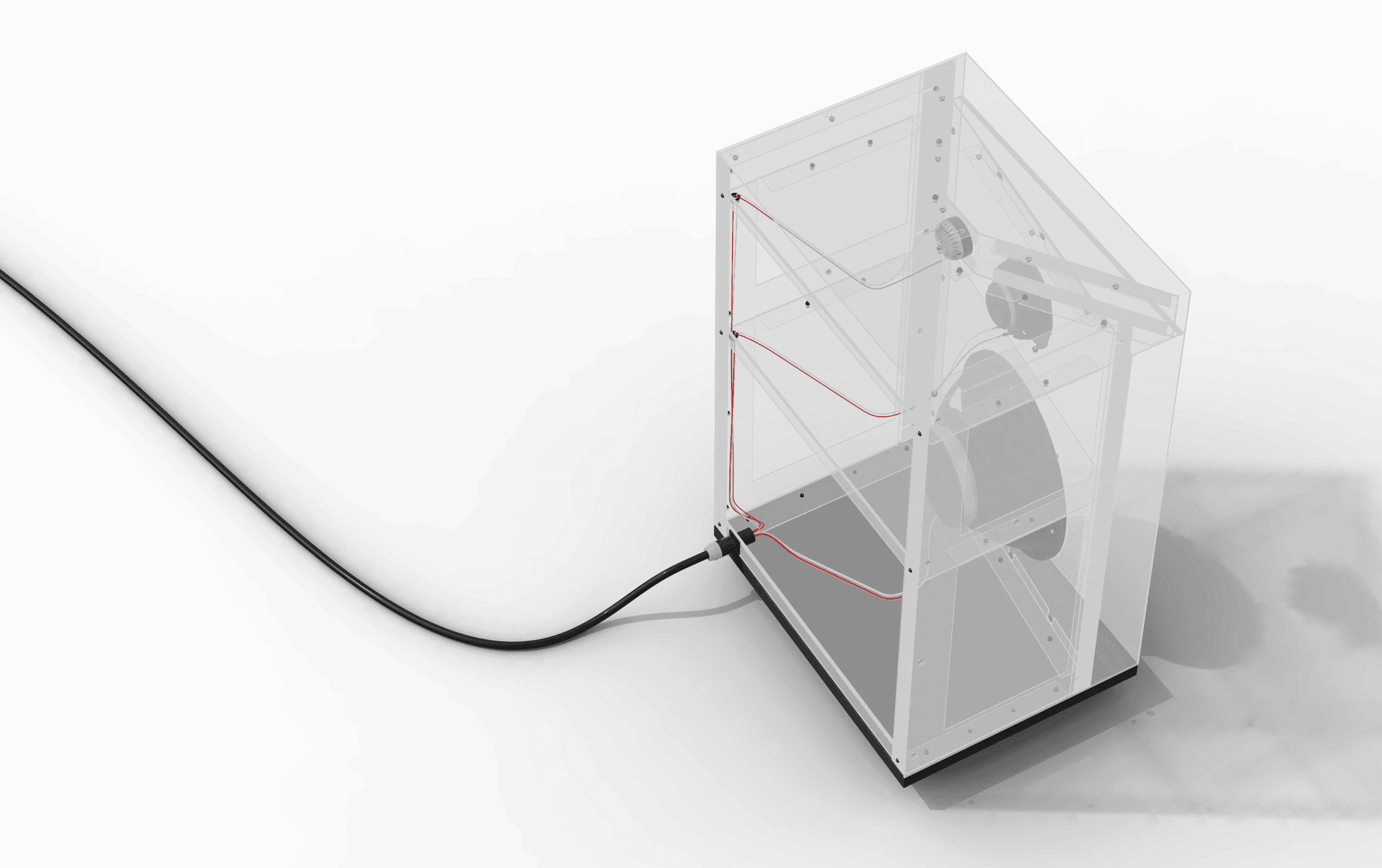
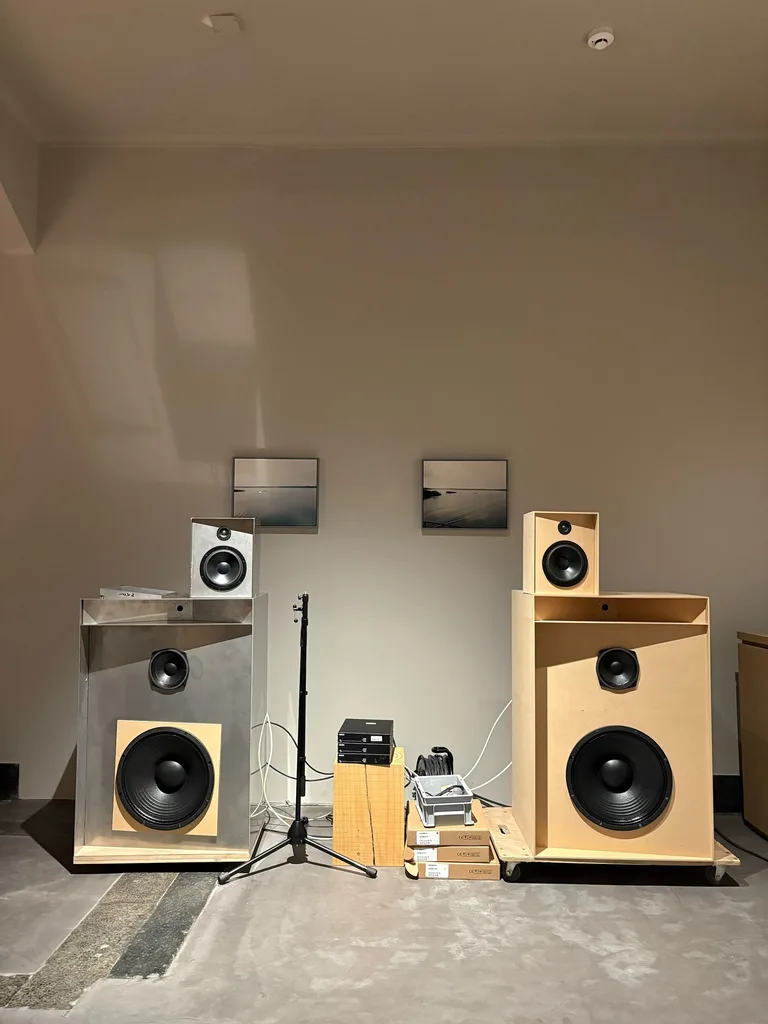
The open rear is the whole idea made acoustic. The rear wave isn't lost: it travels a tuned path, then reflects off the back wall and returns as depth and body, the room becoming part of the sound. That is also a rule the design owns: the speaker needs roughly 50 cm from the wall to work, so placement is designed for, not assumed. Inside, an active three-way of woofer, midrange and tweeter balances clarity, headroom and control; internal shelving separates the drivers and stiffens the cabinet in one move.
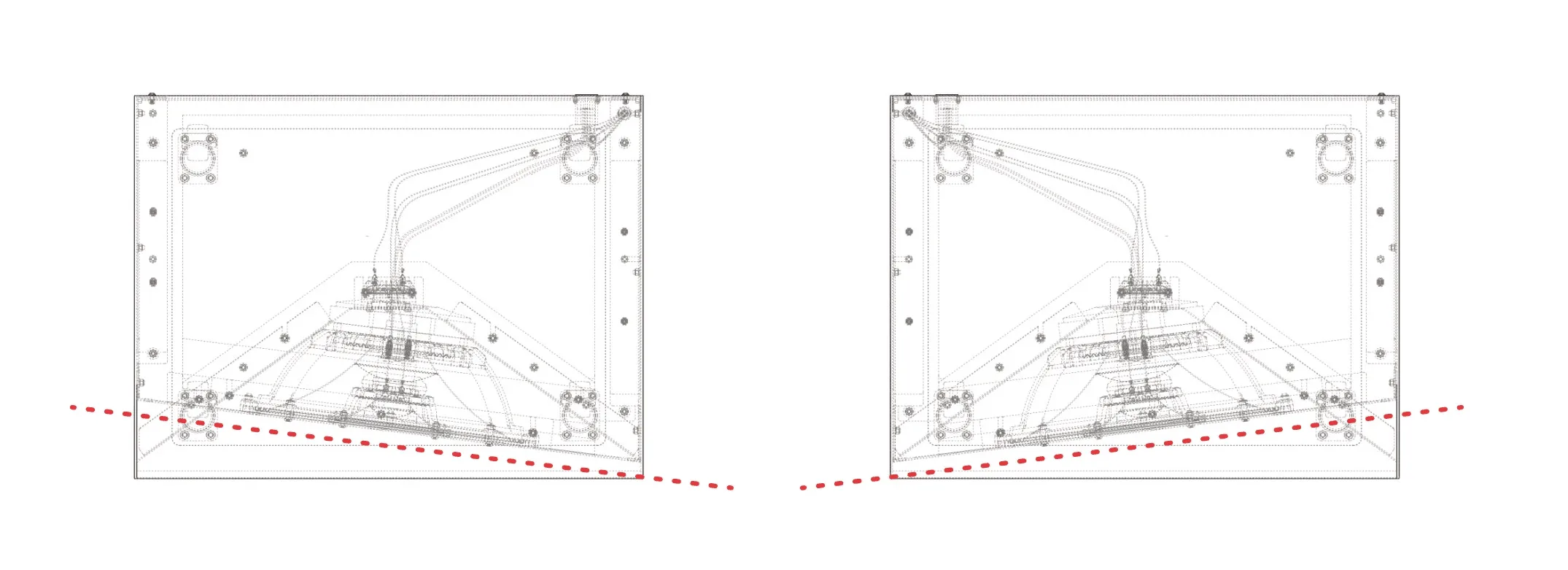
The mirrored pair toes out 7° to widen coverage, and the tweeter sits in a horn that tightens its directivity across the room.
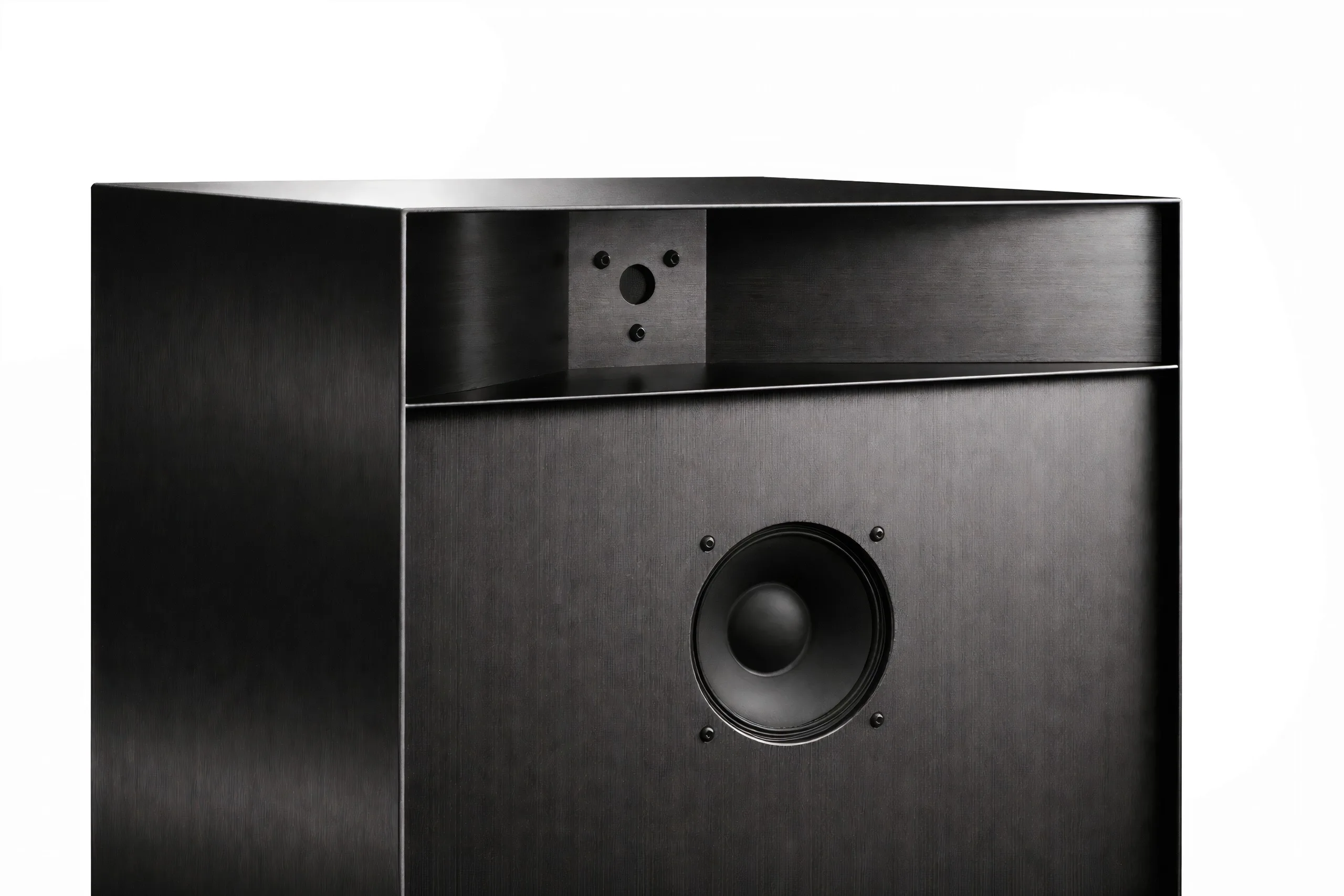
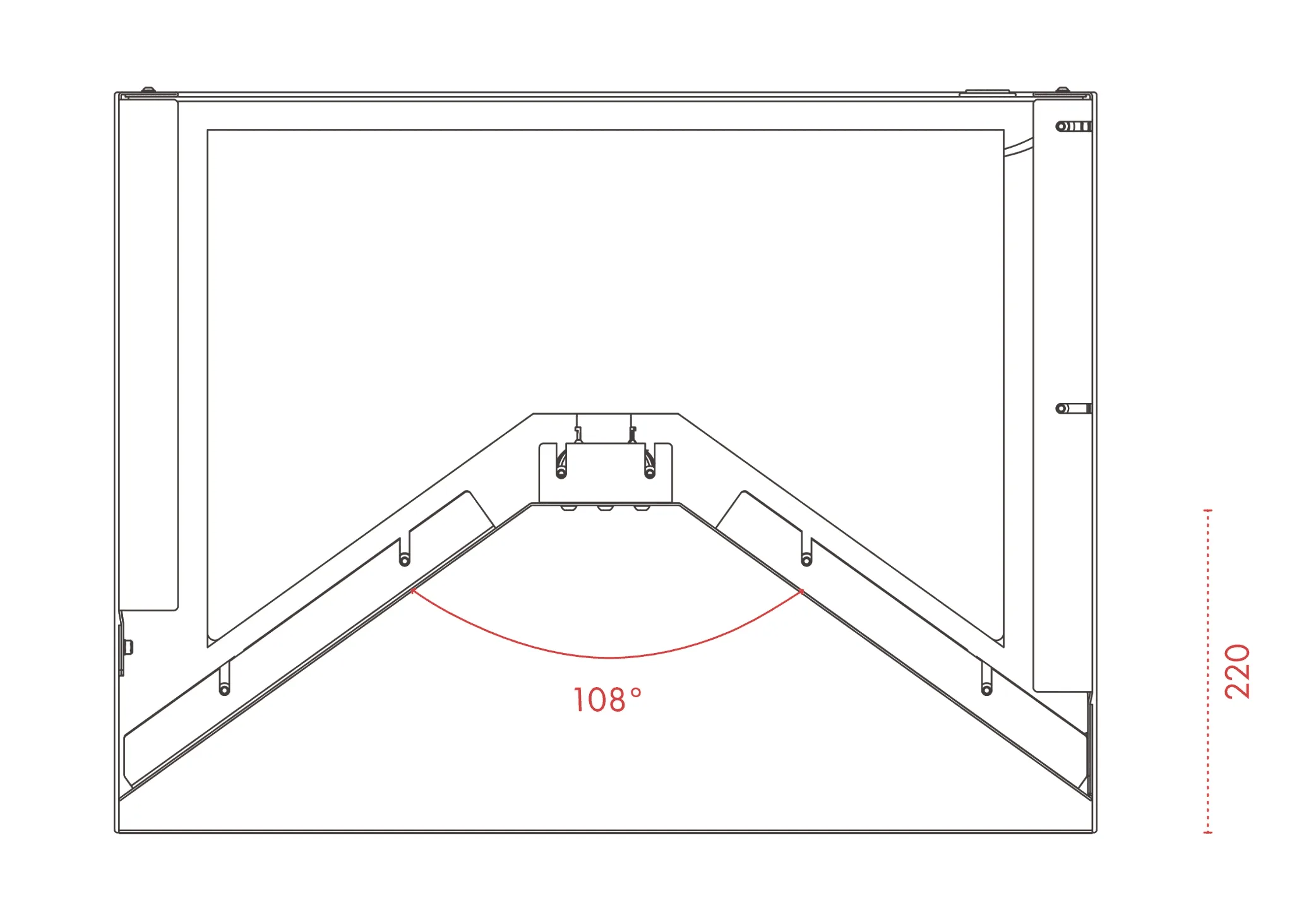
High frequencies are the most directional and the first to turn harsh, so the tweeter sits inside a horn. The waveguide shapes its dispersion, steering the top end toward the listening area and holding it even from seat to seat, while taming the early reflections that make a room tiring over a long session. It also loads the tweeter acoustically, lifting its efficiency so the treble stays level with the woofer and midrange.
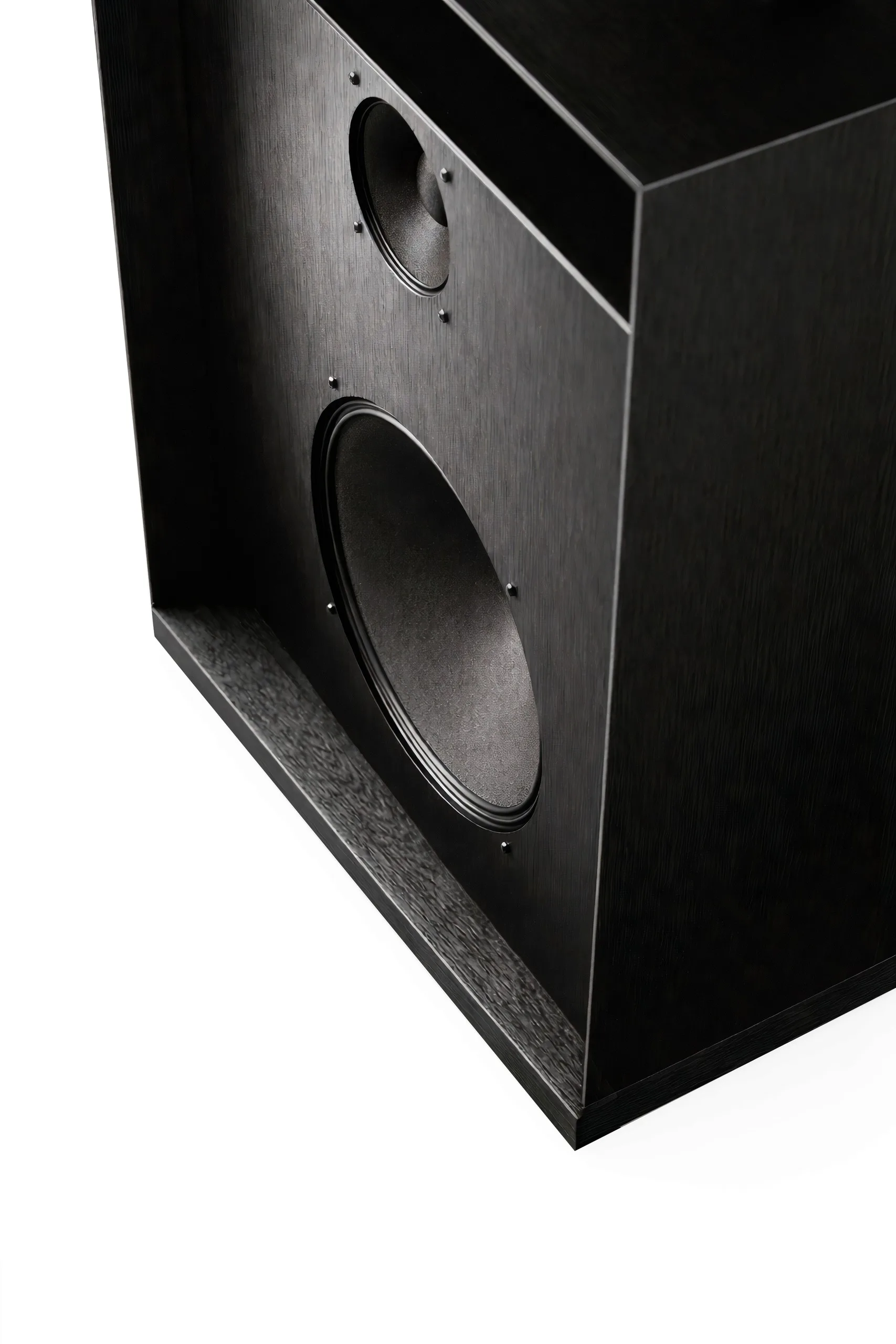
Made to be lived with -serviceability
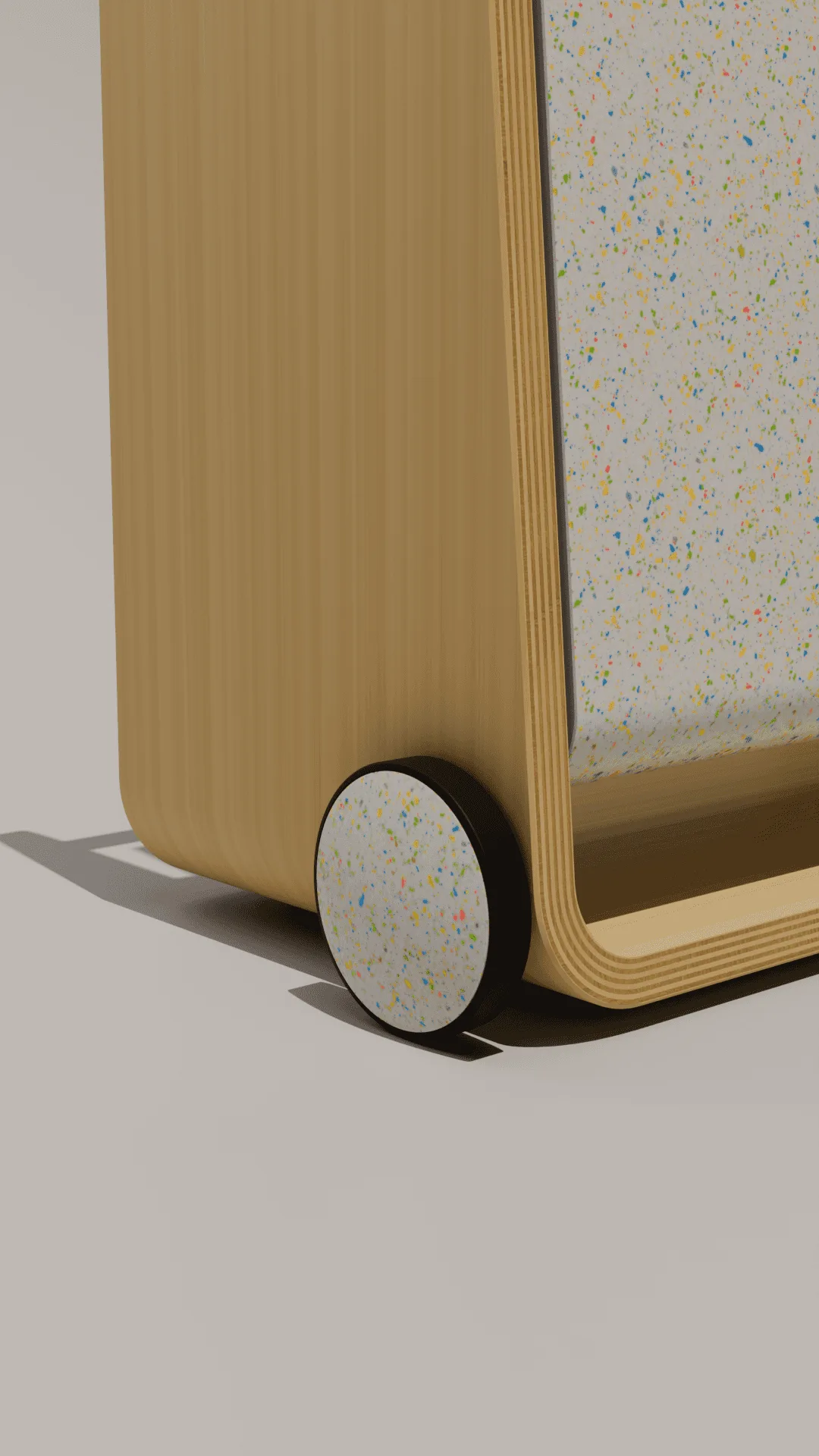
Every contract requirement becomes hardware. Integrated casters let a heavy object be moved through a space with ease. A single multi-core cable keeps the installation clean, and a safe-plug protects the system if the cable is knocked.
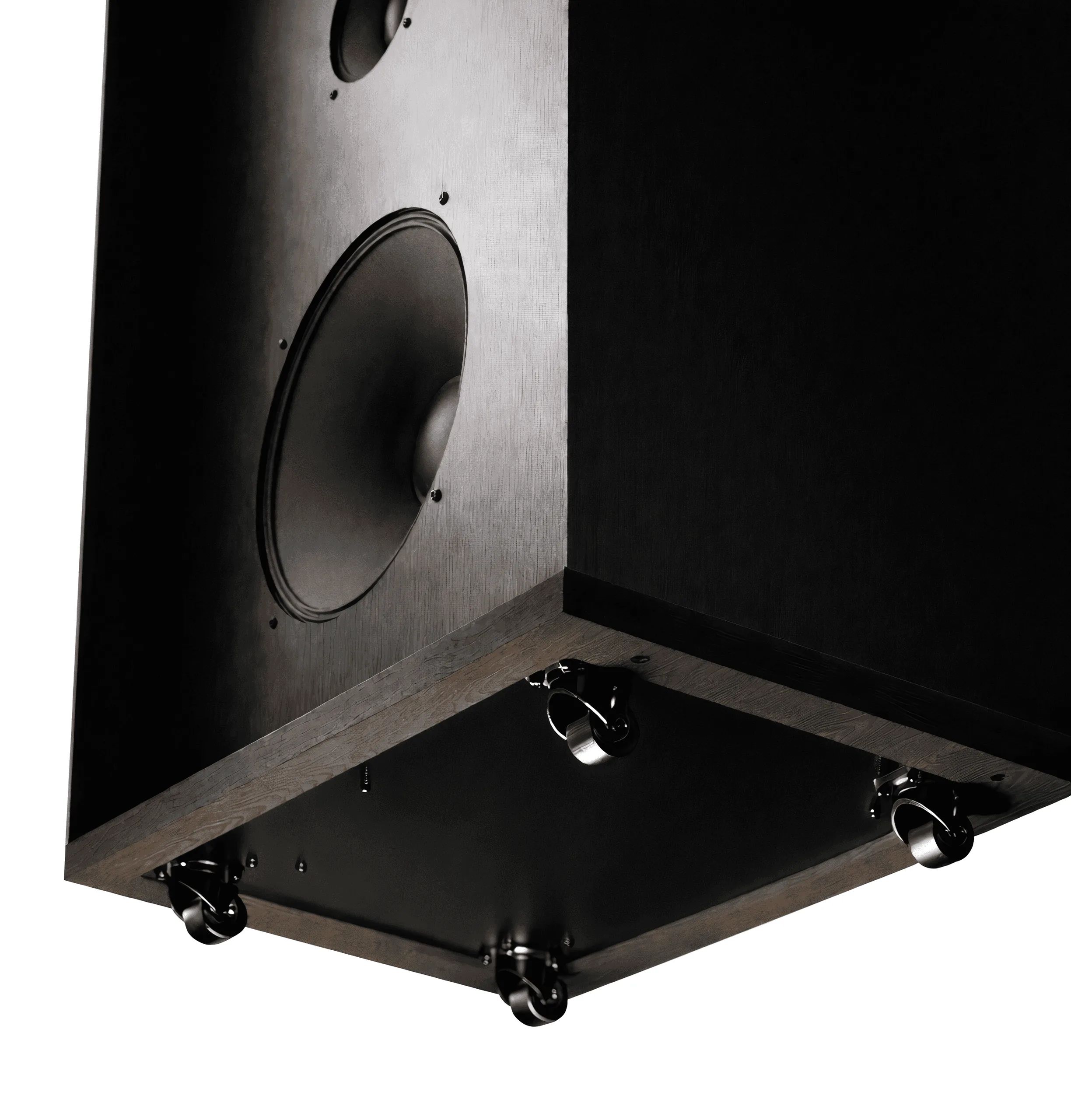
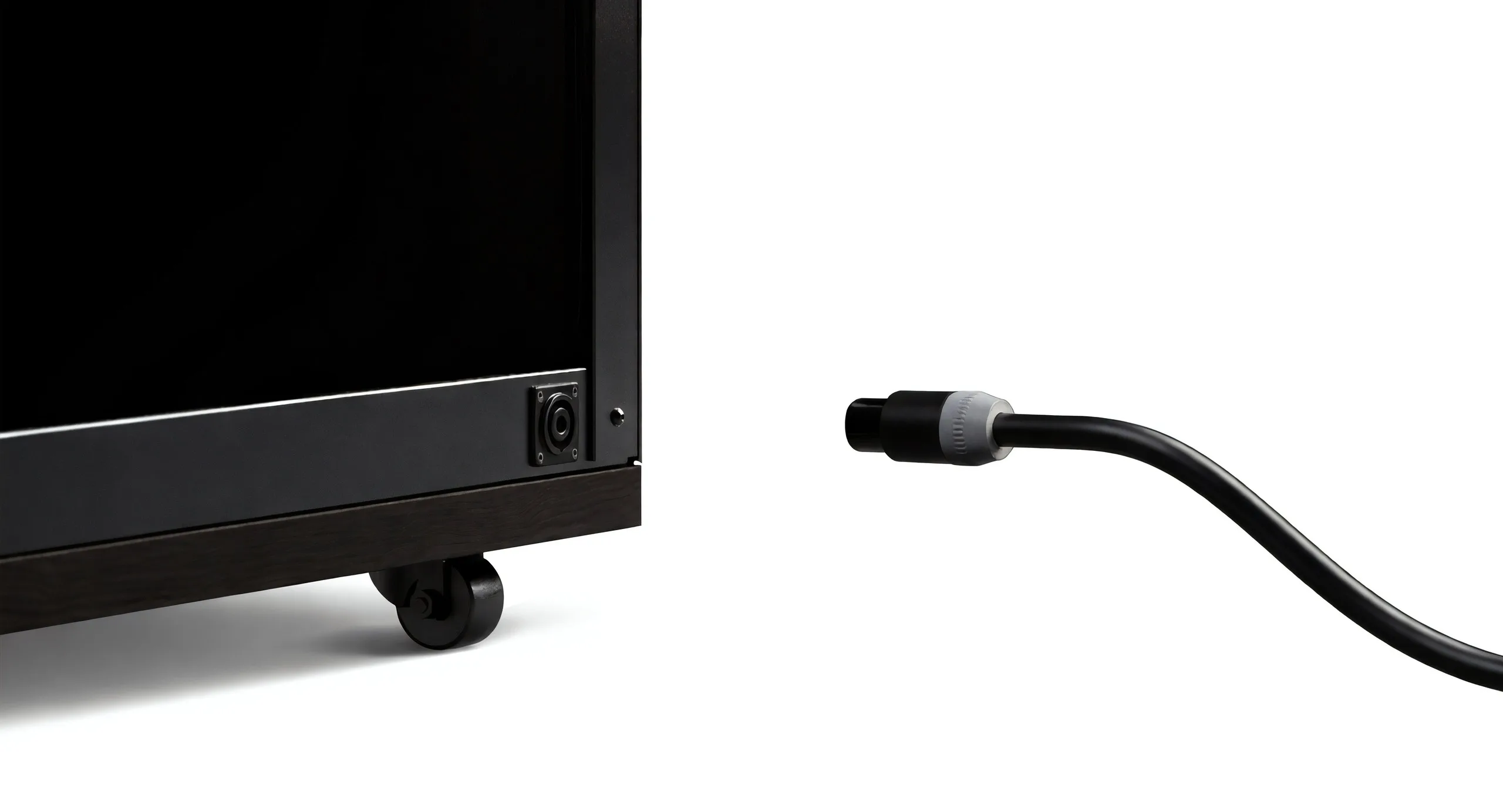
Only folded, never welded -manufacturing
The material's one rule drives the build. The outer shell is a single sheet folded at two points by V-groove: a V-incision removes material and leaves a minimal residual thickness, collapsing the outer bend radius far below a standard fold. The gain is perceptual as much as formal, a smaller radius changes how light breaks on the edge, so the line reads sharp and precise, in step with the minimal language. The one move that seemed to break the rule, welding studs to fix parts dry, was tested rather than assumed: the localized heat left the oxide film on the show side untouched, which let every fixing hide inside and every outer surface stay clean.
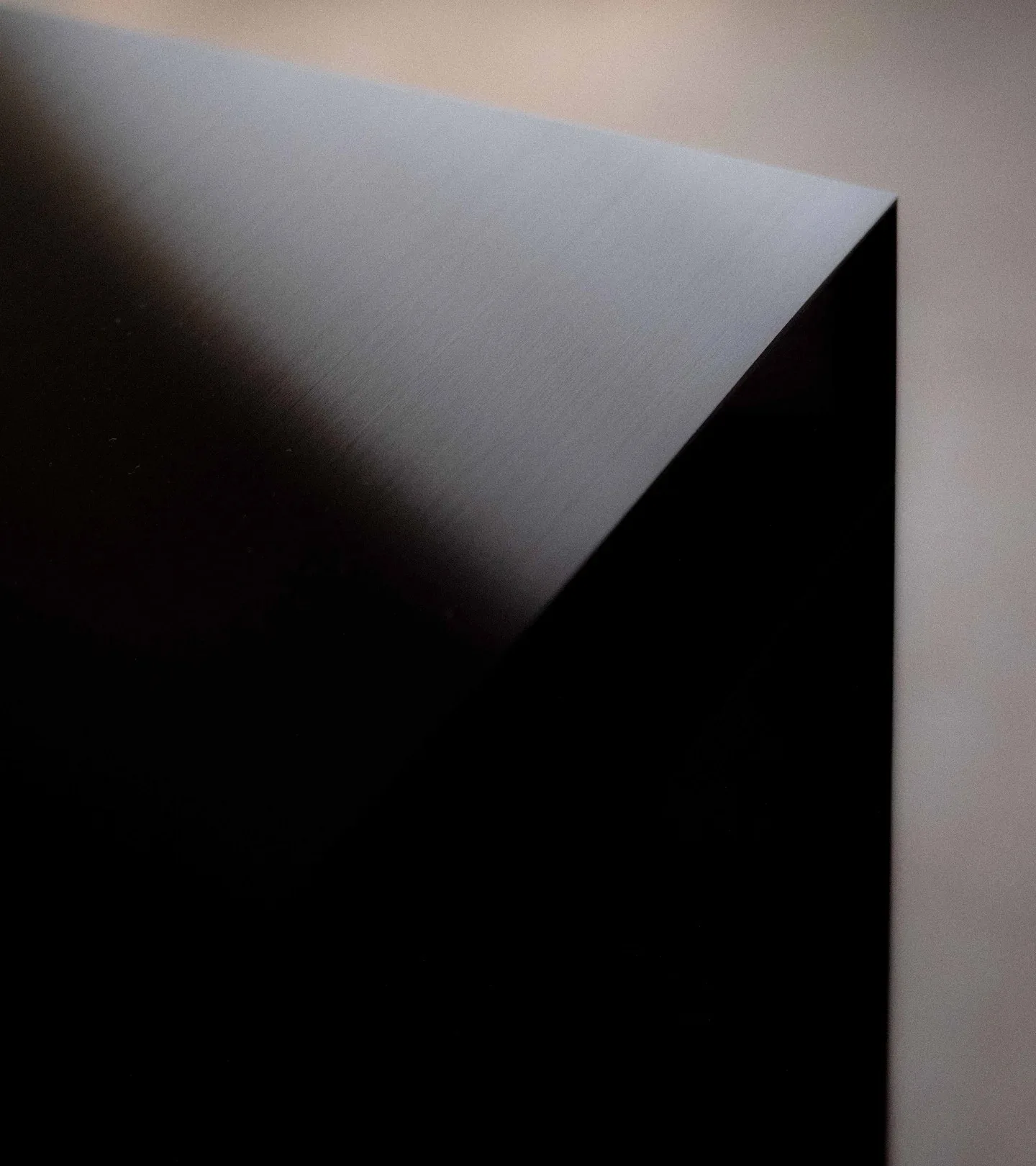
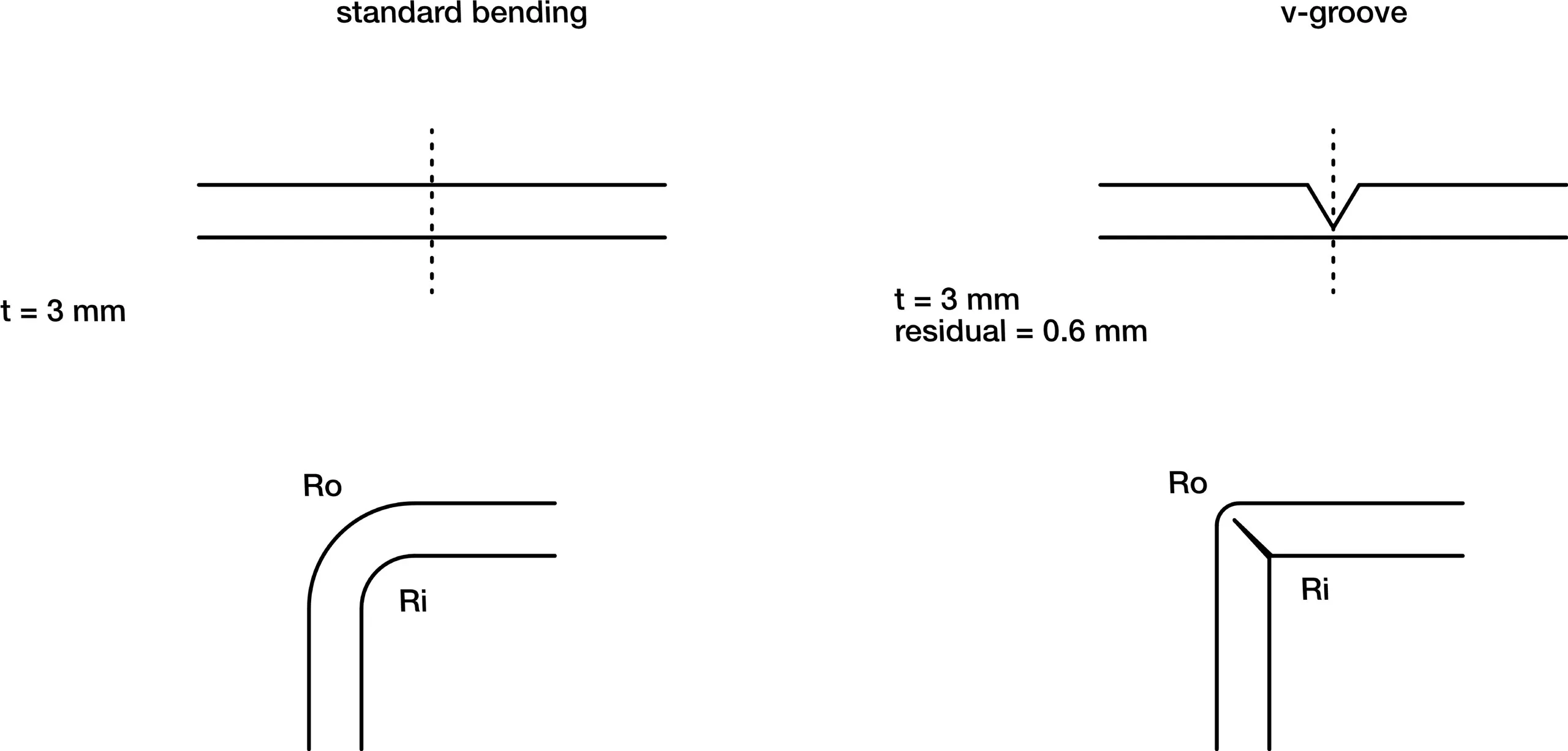
A V pre-cut leaves 0.6 mm to bend, collapsing the outer radius from 6–7 mm to under 1 mm - ~85% sharper. The edge reads as a drawn line, not a fold.
Signal flow
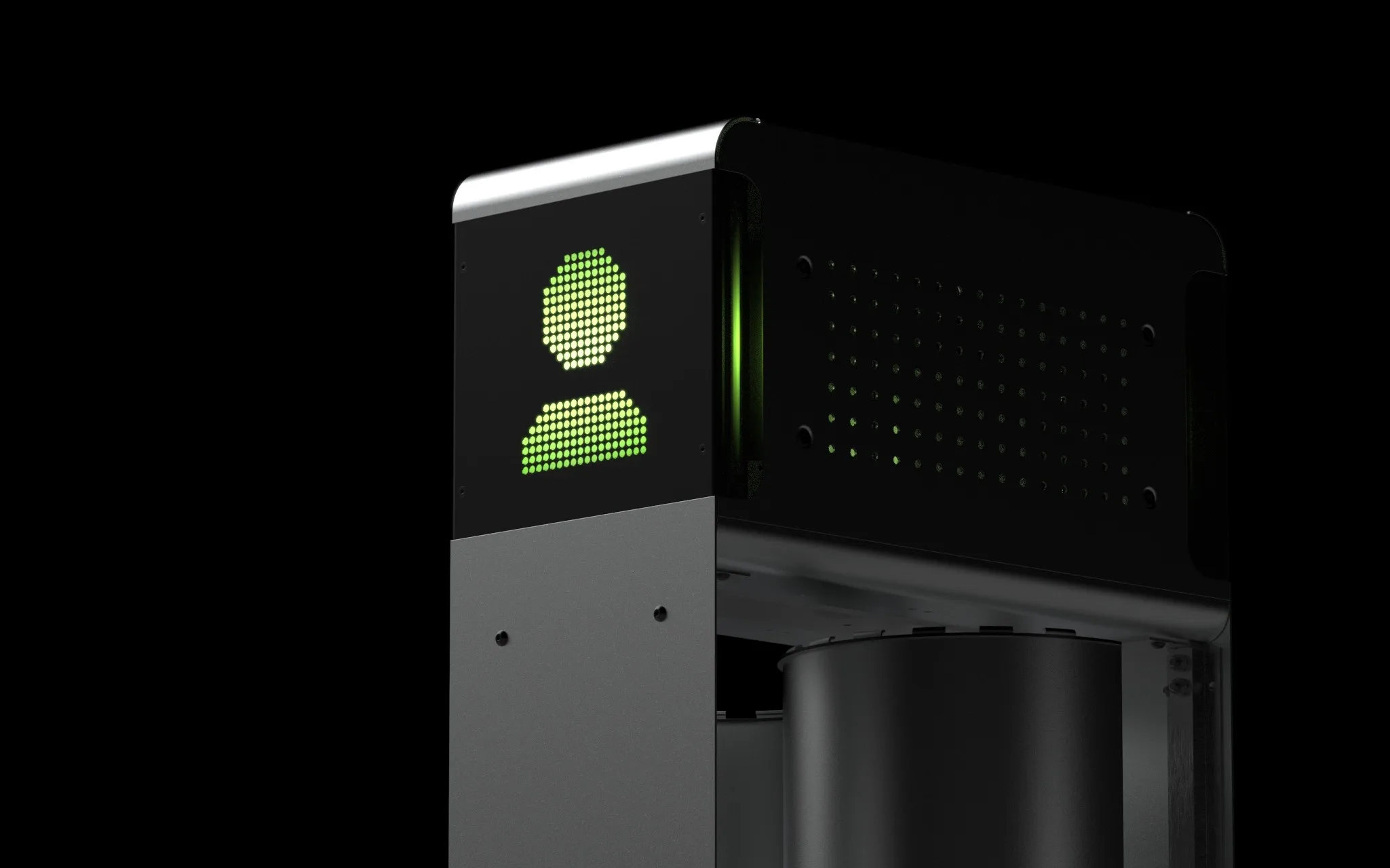
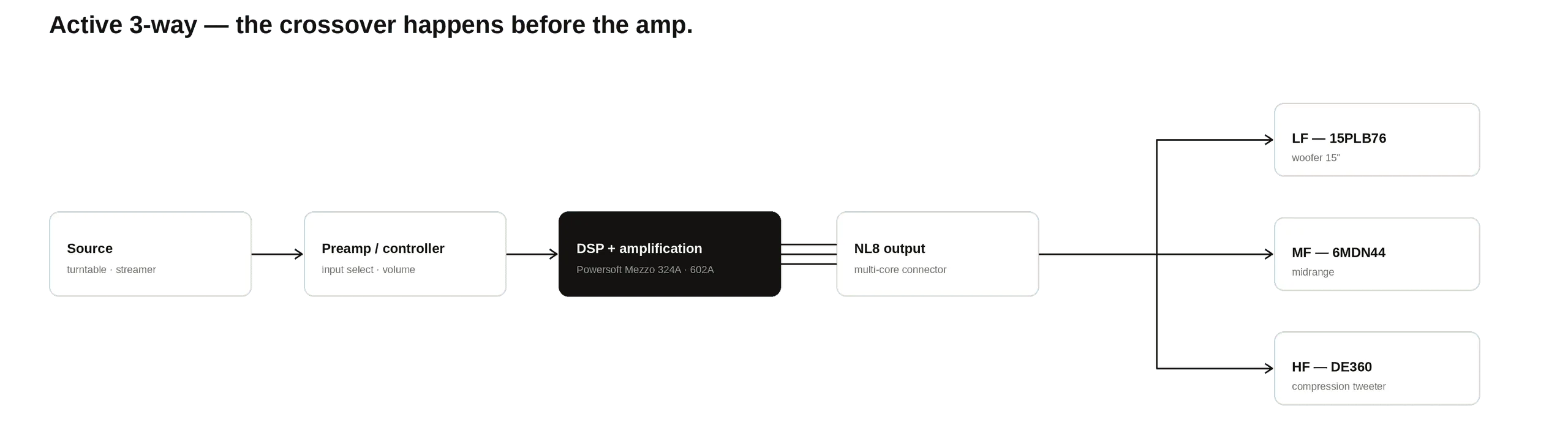
An active three-way, split into six channels, one per driver across the stereo pair, for full control over crossover and tuning, handled by DSP amplification with EQ, delay and limiters ahead of each driver.
Proven, not rendered - validation
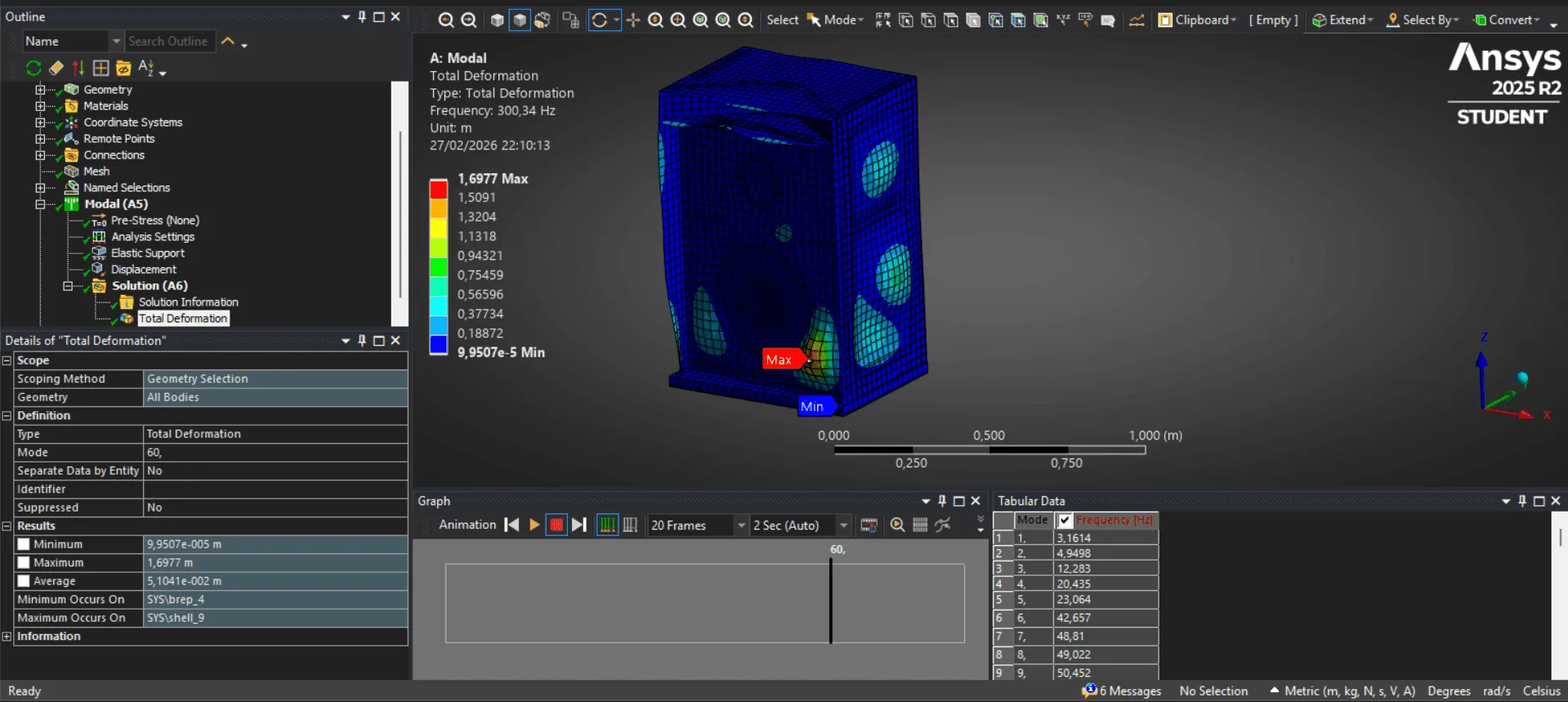
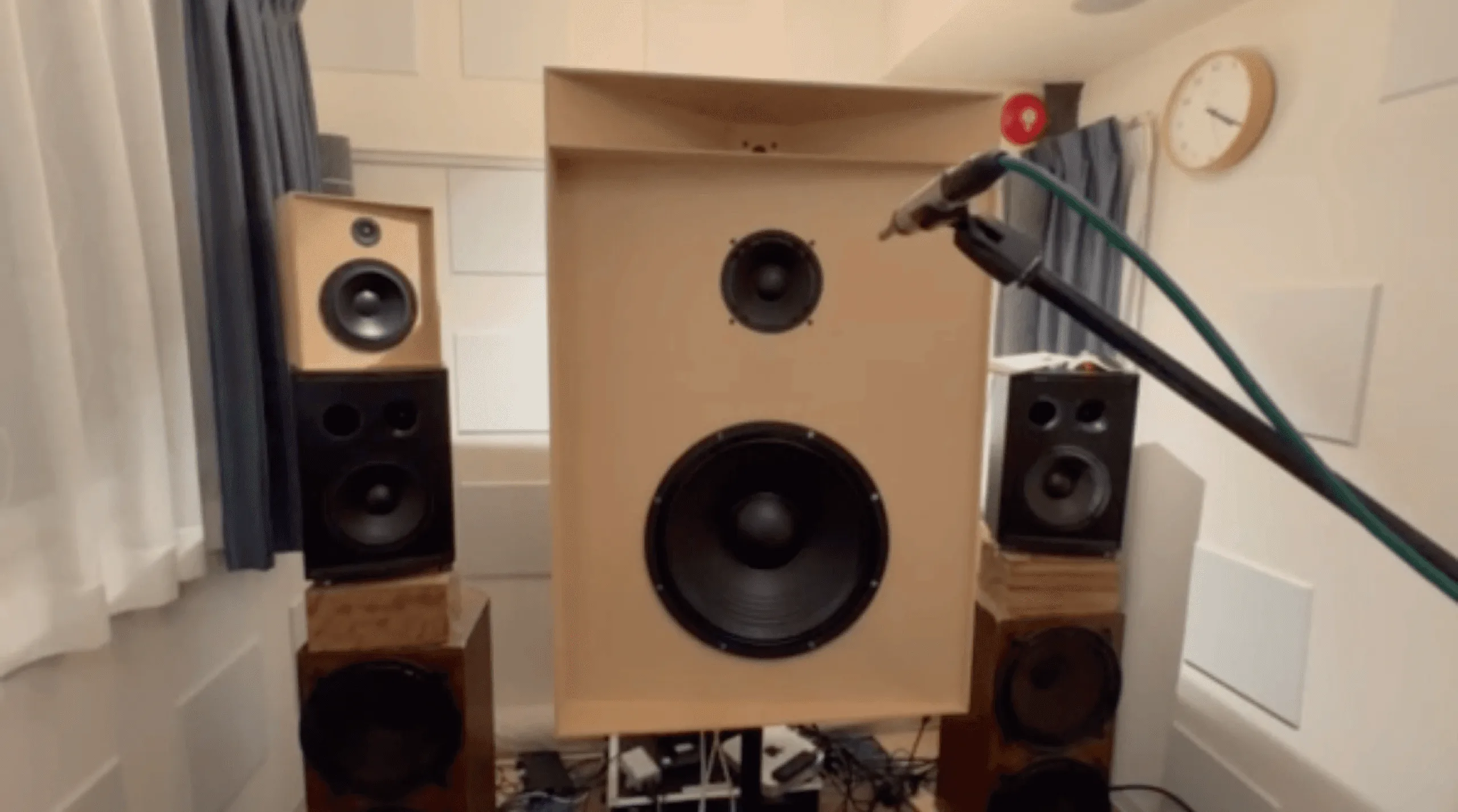
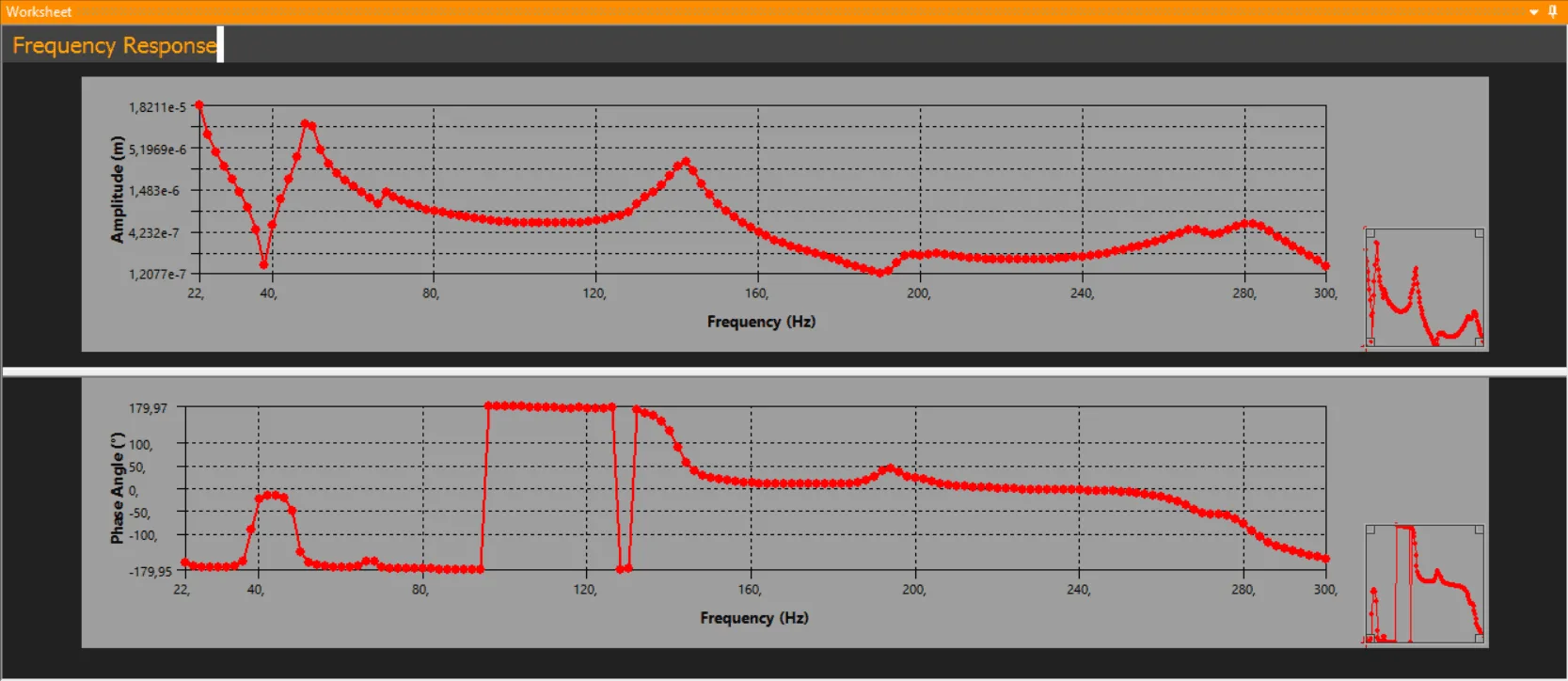
A thin steel box is a drum unless you prove otherwise, so the structure was checked in Ansys with a modal analysis of the panels' resonances and mode shapes. The first physical prototypes followed (built 1:1 in Japan, MDF then steel). Audio tests and tuning ran in parallel, confirming the open-rear architecture and the quality of the cabinet.
Into the room - launch
Tone of Black left the studio in July 2026, unveiled at VAGUE in Kobe. Now a finished product, in production and available to order.