phi
an LED lamp where light source, structure and shade merge into a single continuous gesture
Phi rethinks the age-old relationship between a light source and its shade, using the freedom that LED technology now allows. Conventional lamps were built around a single constraint — concealing the bulb behind a diffuser. Freed from that logic, Phi takes the opposite path: source, structure and shade stop being separate parts and merge into one continuous gesture.
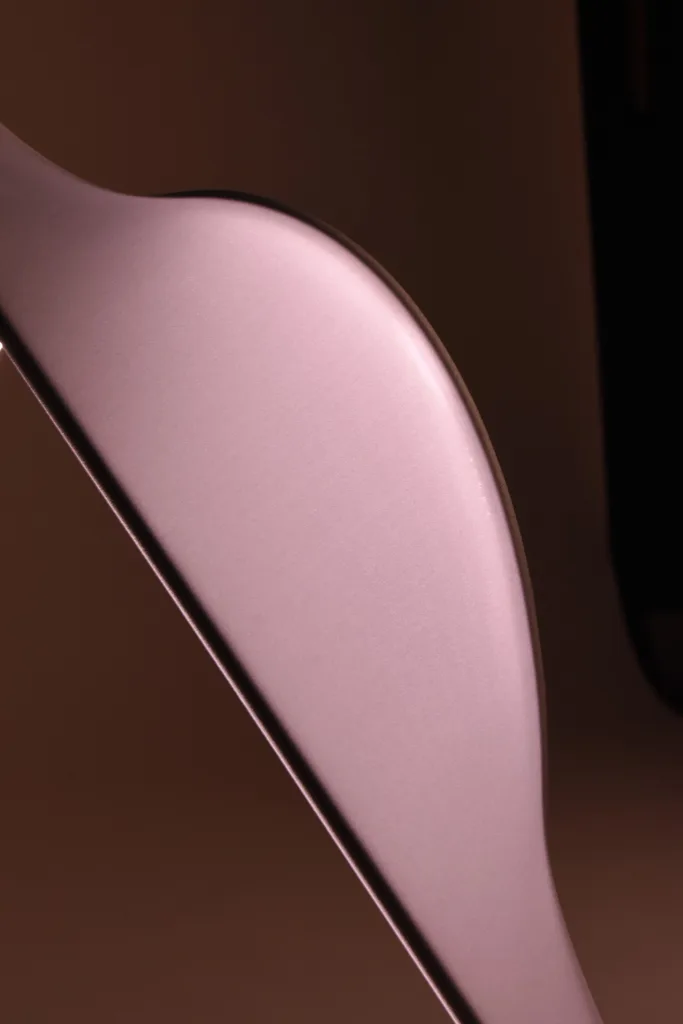
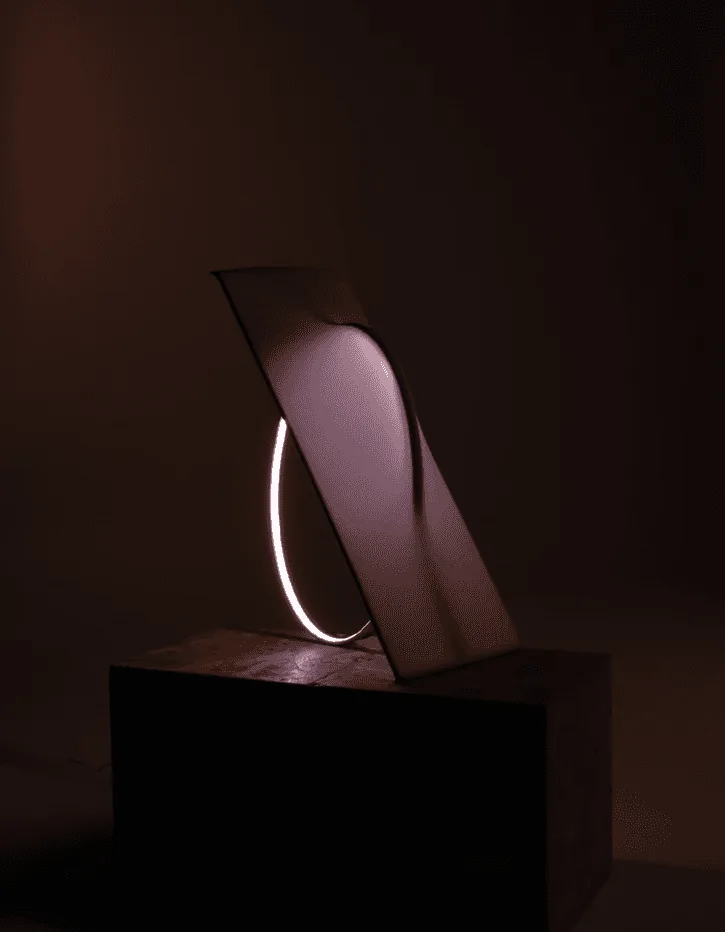
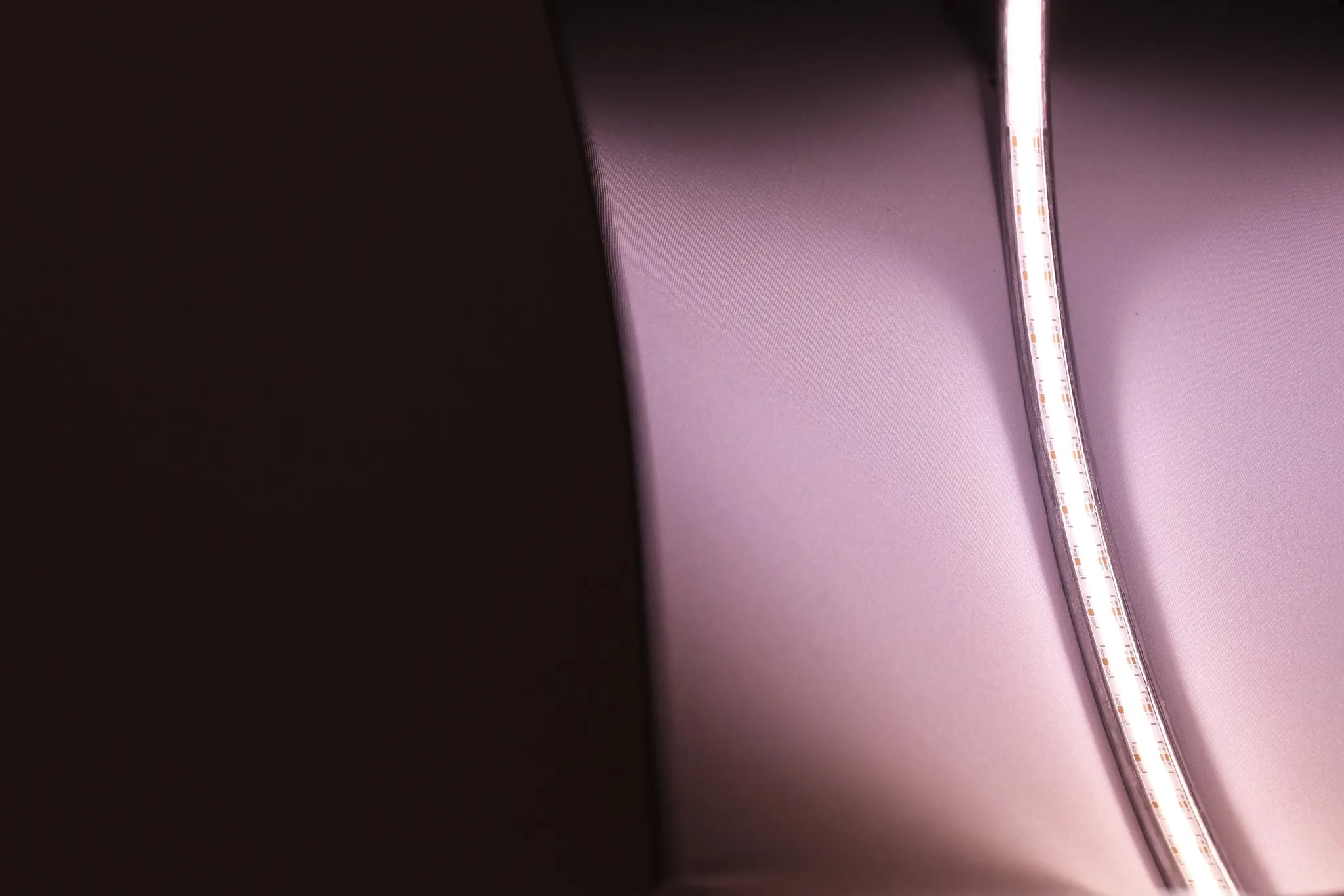
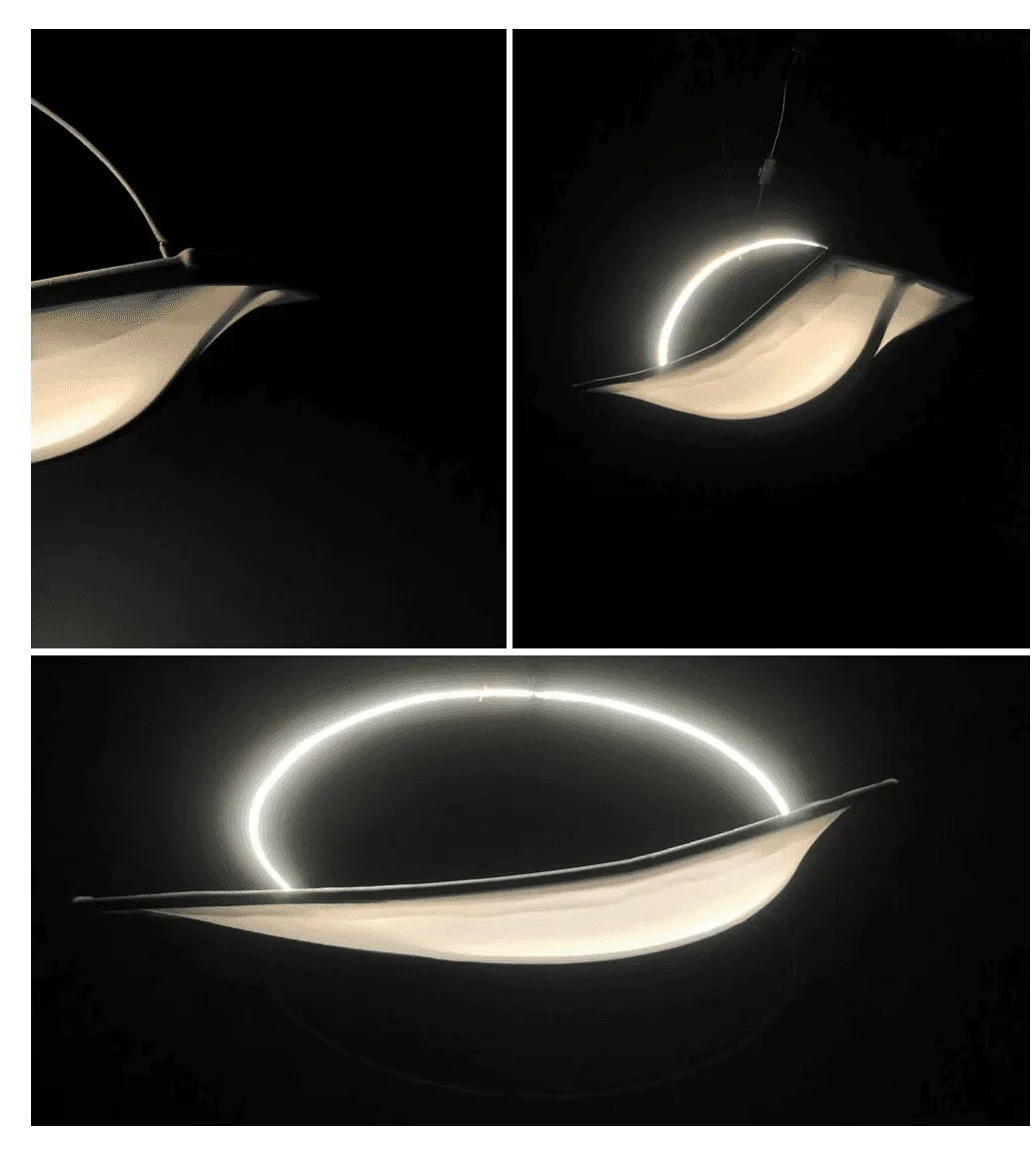
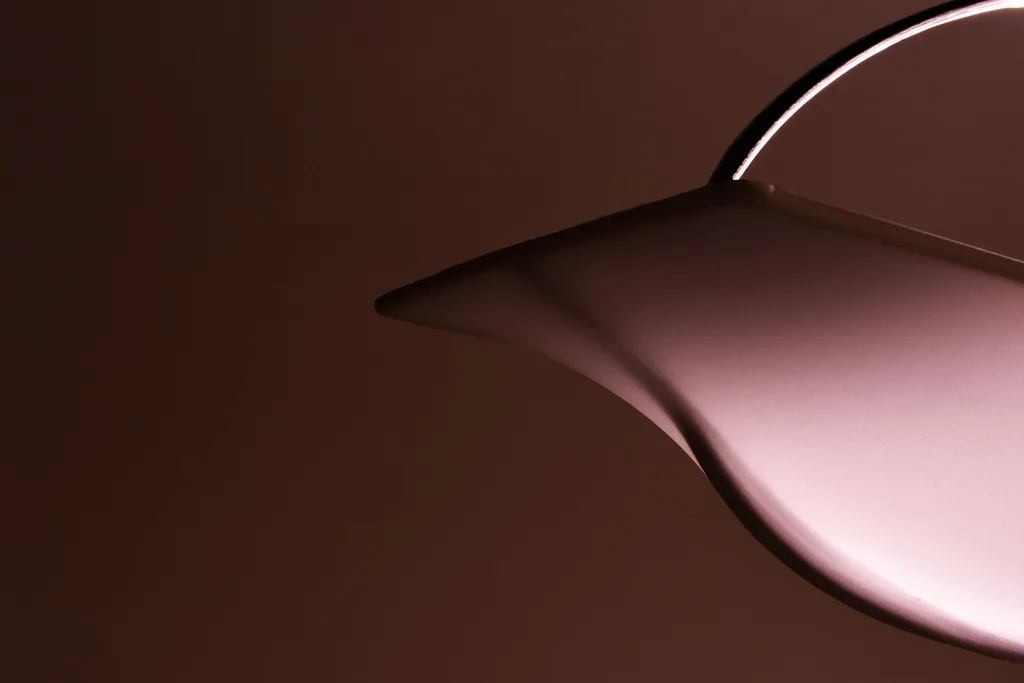
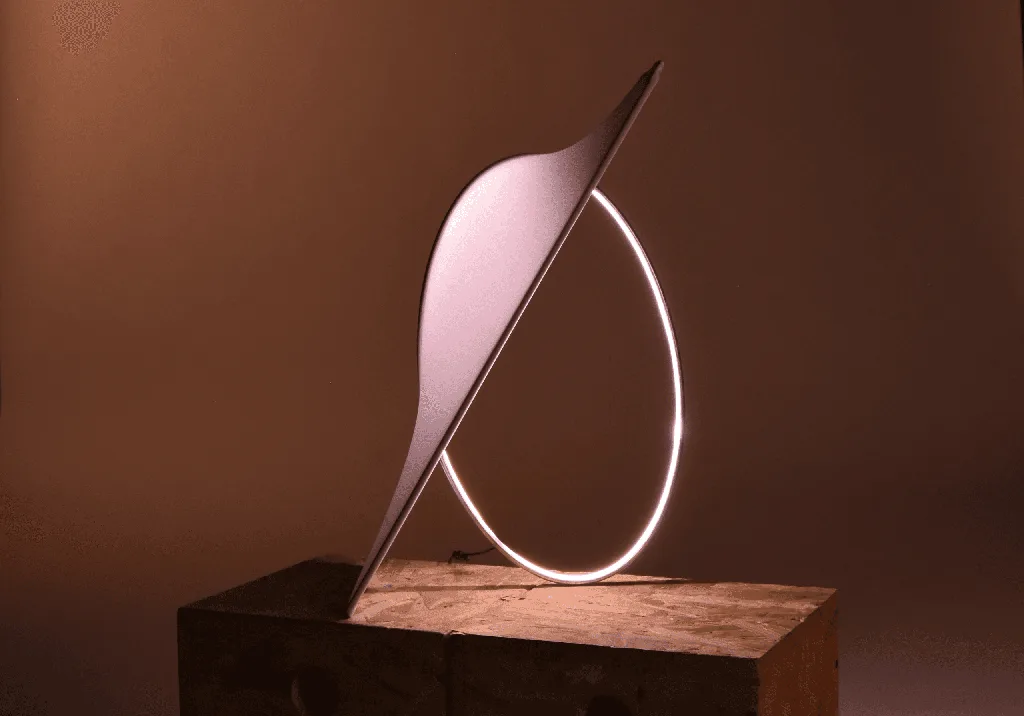
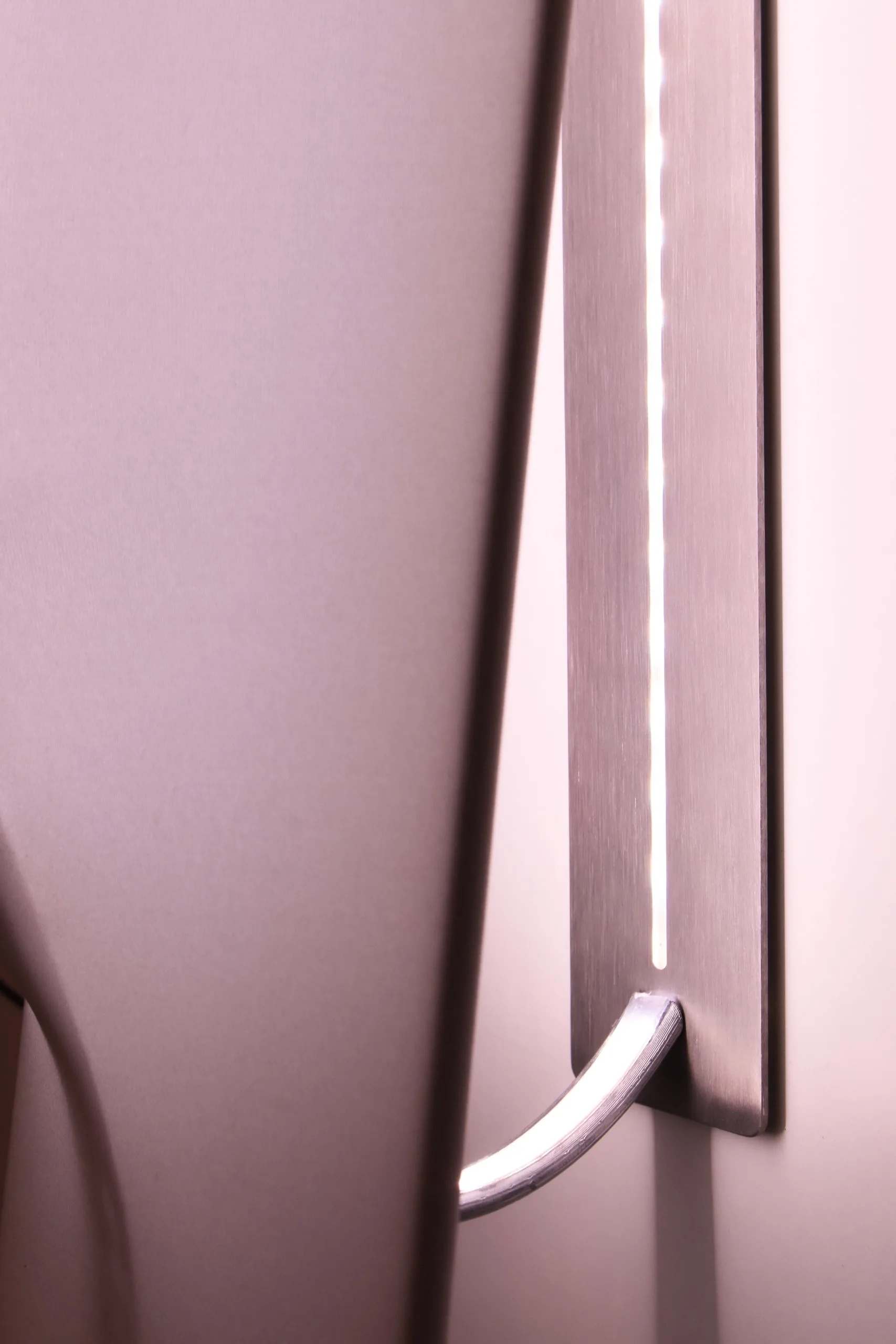
The result is a lamp born from the meeting of an ellipse and a sheet of taut elastic fabric. An oval aluminium profile, which houses the LED strip, sinks into the fabric, tracing a soft shadowed line and generating the chiaroscuro that gives Phi its distinctive character. The construction details other objects keep hidden are here made visible — and celebrated as part of the lamp's identity.
Student Project · Group project
Team: Alessandro Basiaco, Marco Pasinetti, Andrea Rocca
Politecnico di Milano — Industrial Design Location: Milan, Italy 2022
Supervised by: Mauro Attilio Ceconello, Joris Gilles Alain Lousteau, Francesco Lucchese, Davide Spallazzo
My contribution: preliminary research and ideation, 3D modeling, engineering, prototyping
01
process
Rethinking the Lamp
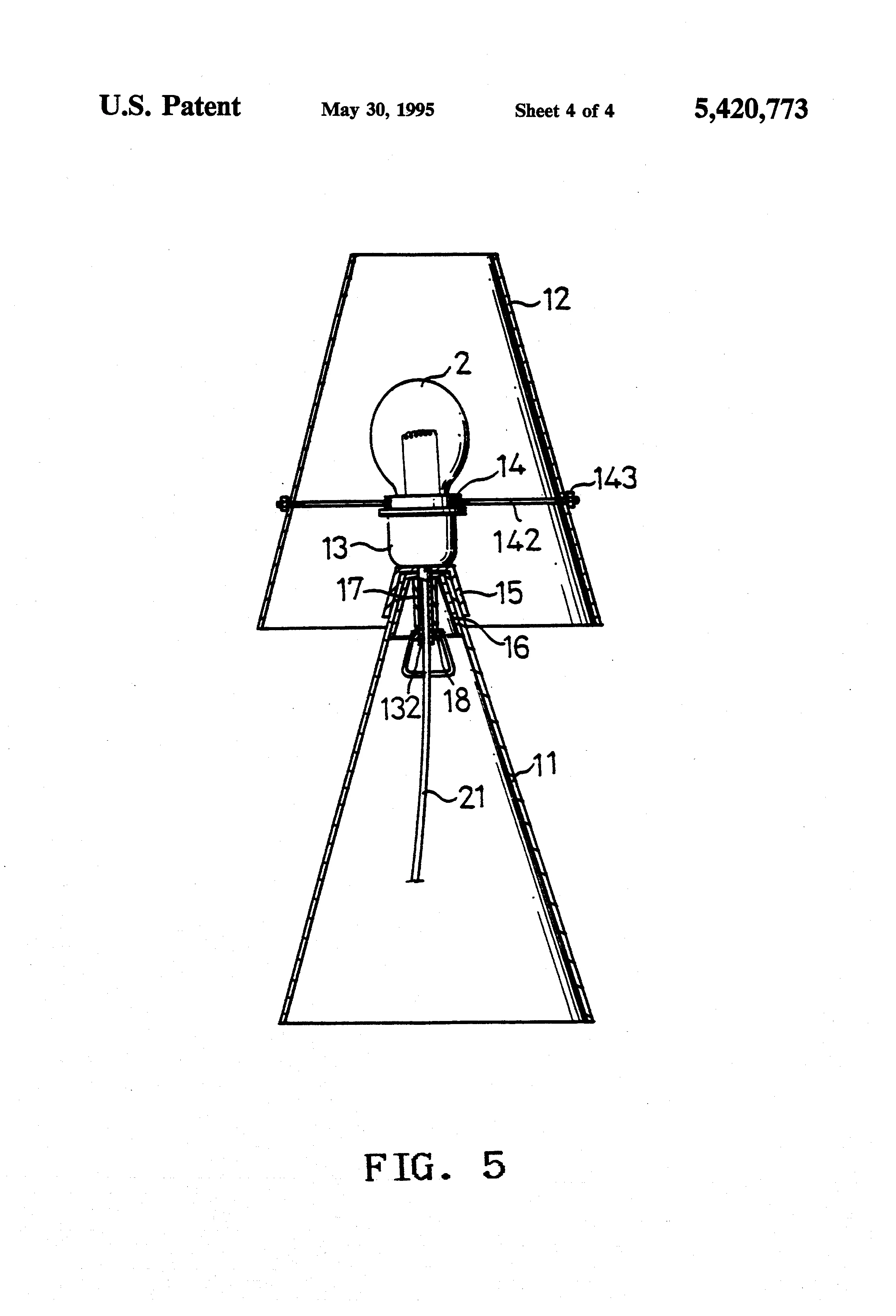
For most of their history, lamps have been designed to conceal. The bulb is tucked out of sight, the mechanics wrapped inside a shade, and the diffuser is left to do the quiet work of making a bare, uncomfortable source acceptable to the eye. The shade exists, in large part, to hide.
The LED Opportunity
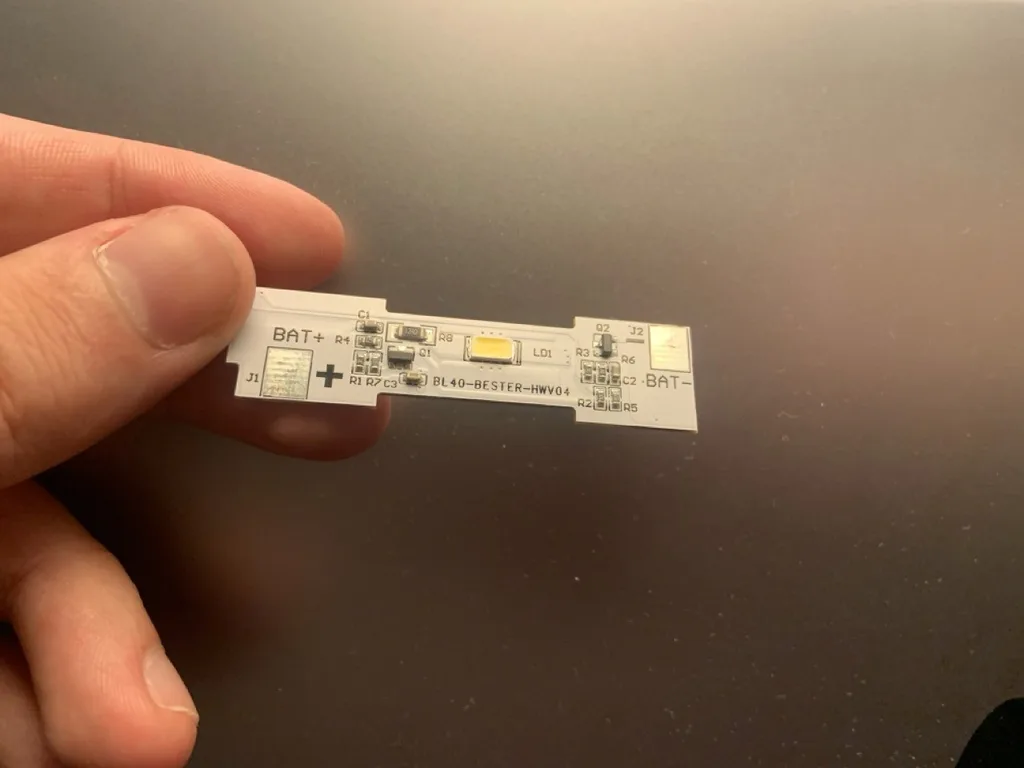
LED technology changes those terms completely. A light source can now be linear, slim and cool enough to sit almost anywhere — inside a profile, along an edge, pressed into a surface. That freedom let us design the lamp around the light itself, rather than around the need to hide it.
What if the parts a lamp usually hides became the reason to look at it?
The Generating Idea
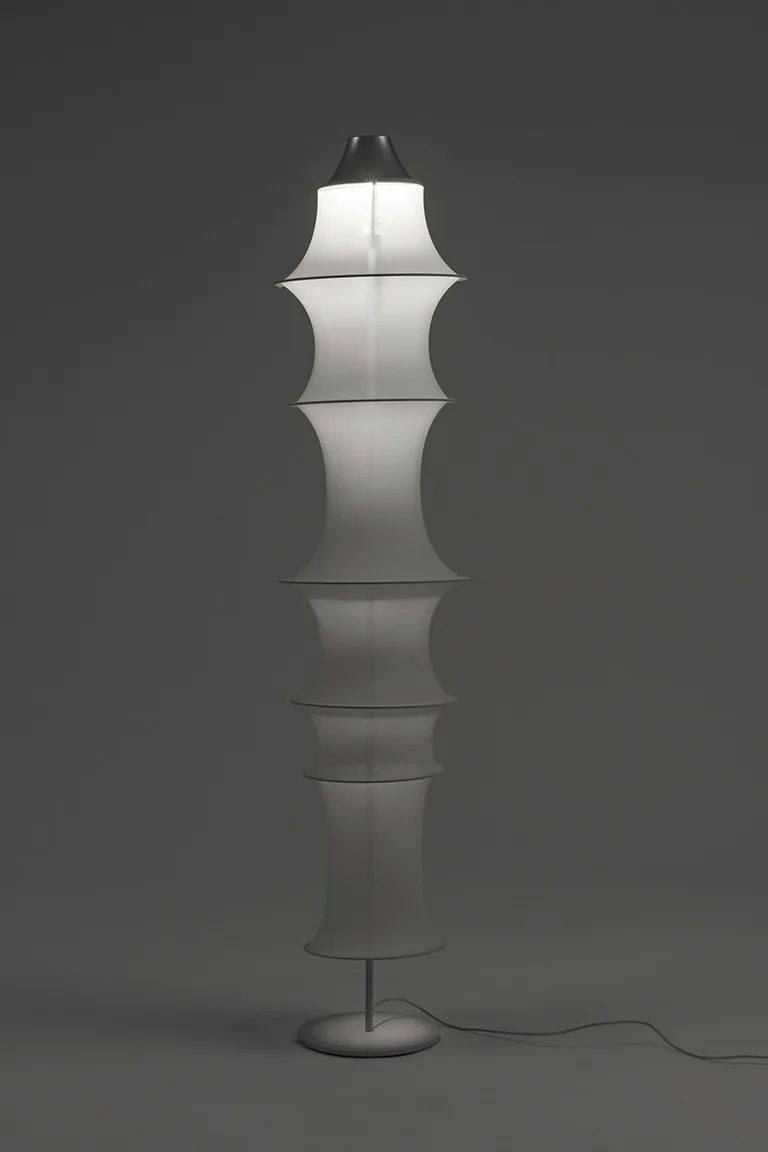
Phi begins where a whole family of lamps began — with fabric. In the Italian fabric lamps of the 1960s and 70s, Munari's Falkland (Danese, 1964) or Takahama's Saori (Sirrah, early 1970s), an elastic textile was stretched over a metal frame and lit from within. The results were extraordinary, but the logic underneath was the old one: a source hidden inside, a shade wrapped around it. Even where a ring or an arc pushed against the fabric to give it shape, the element that shaped and the element that illuminated stayed two separate things.
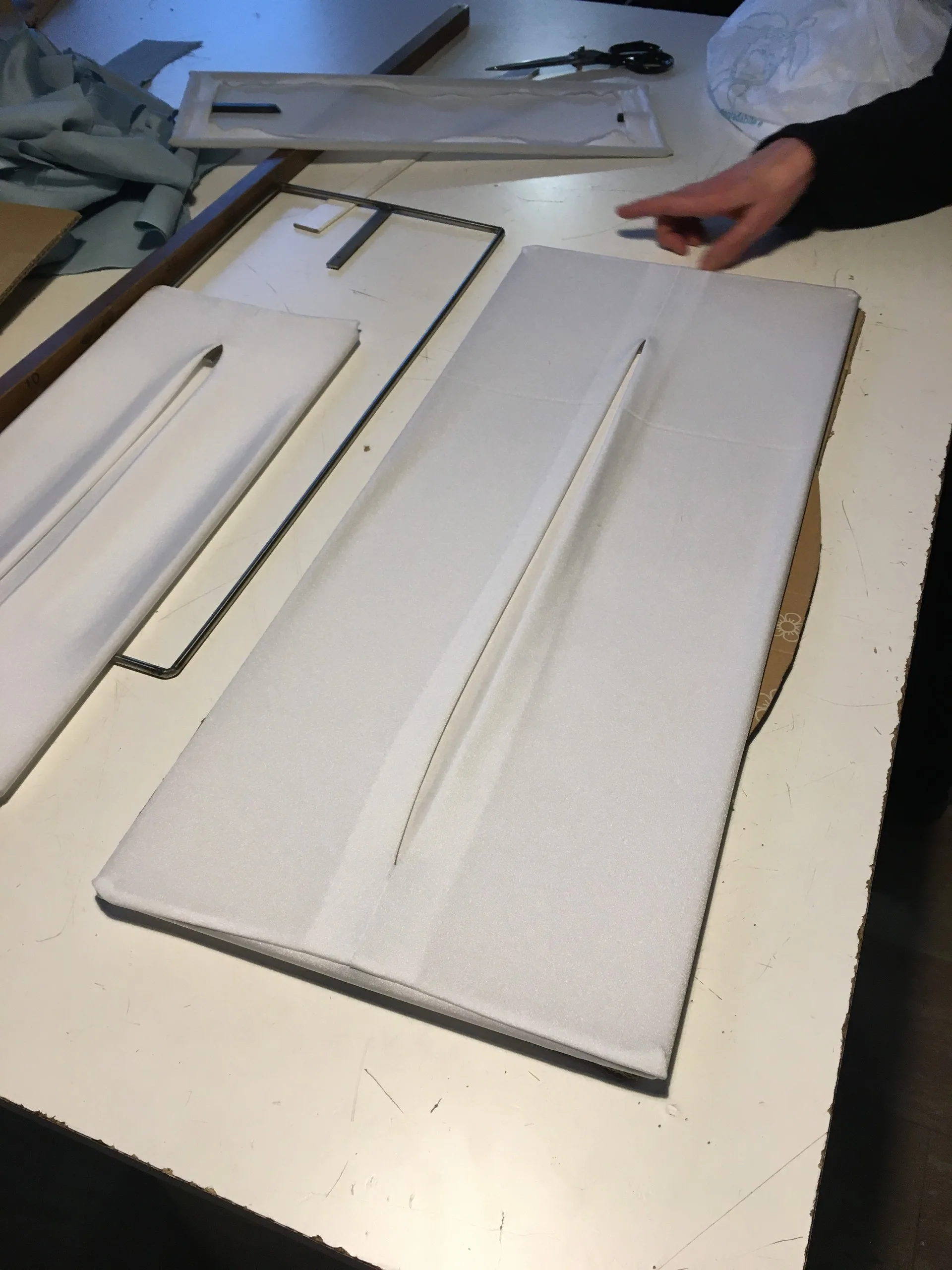
Phi removes that separation. Here the light source becomes the form-giver. An oval aluminium profile carrying the LED strip presses directly into a sheet of taut elastic fabric, sinking into it and drawing a soft, shadowed line across the surface. The same element that emits the light is the one that shapes the body — and what was once a hidden construction joint becomes the object's defining feature: the place where light, structure and shade meet in full view.
Sketching & Prototyping
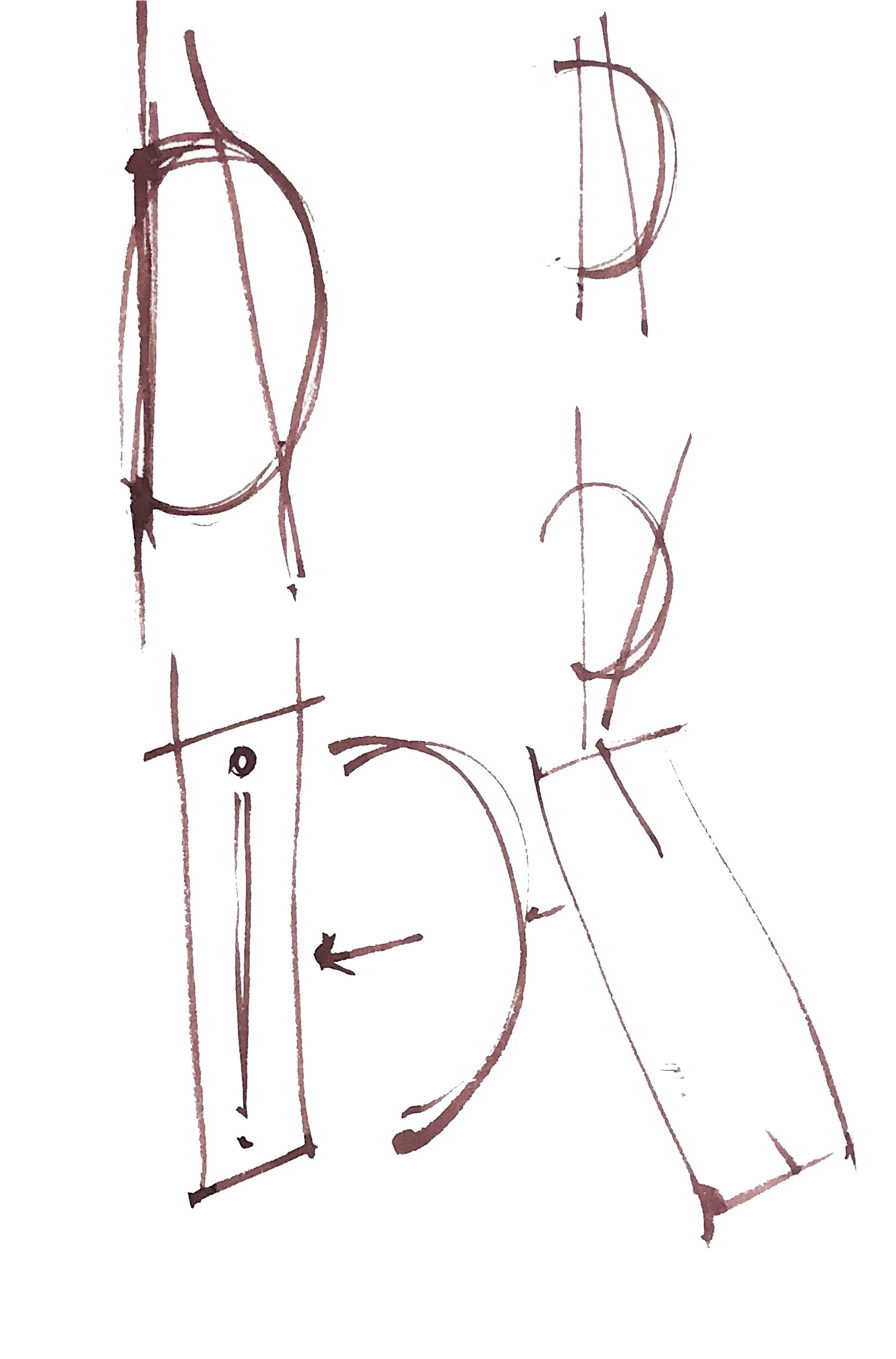
The idea was tested the way it would eventually be experienced: switched on, in a dark room, at full scale. Rather than resolving the form on screen, we built a series of working prototypes — bending the LED line into its elliptical arc, tuning the tension of the stretched fabric, and watching how the lit profile carved its shadowed line into the surface. Handling the lamp live let us judge what no render could: how the glow reads across the fabric, how the piece feels in the hand, and how it performs from different positions — suspended as a pendant, resting on a surface, or held against a wall to graze it with light. Each mock-up sharpened the balance between light, tension and shadow, and it was this hands-on testing — not a drawing — that confirmed the concept was worth carrying to the final design.
02
final design
A Family of Three
From this single principle we developed not one lamp but three, each translating the same ellipse-and-fabric gesture into a different position in the home:
Suspension — hung from the ceiling, it floats like a leaf of light, throwing brightness upward and letting a filtered glow fall softly to the space below.
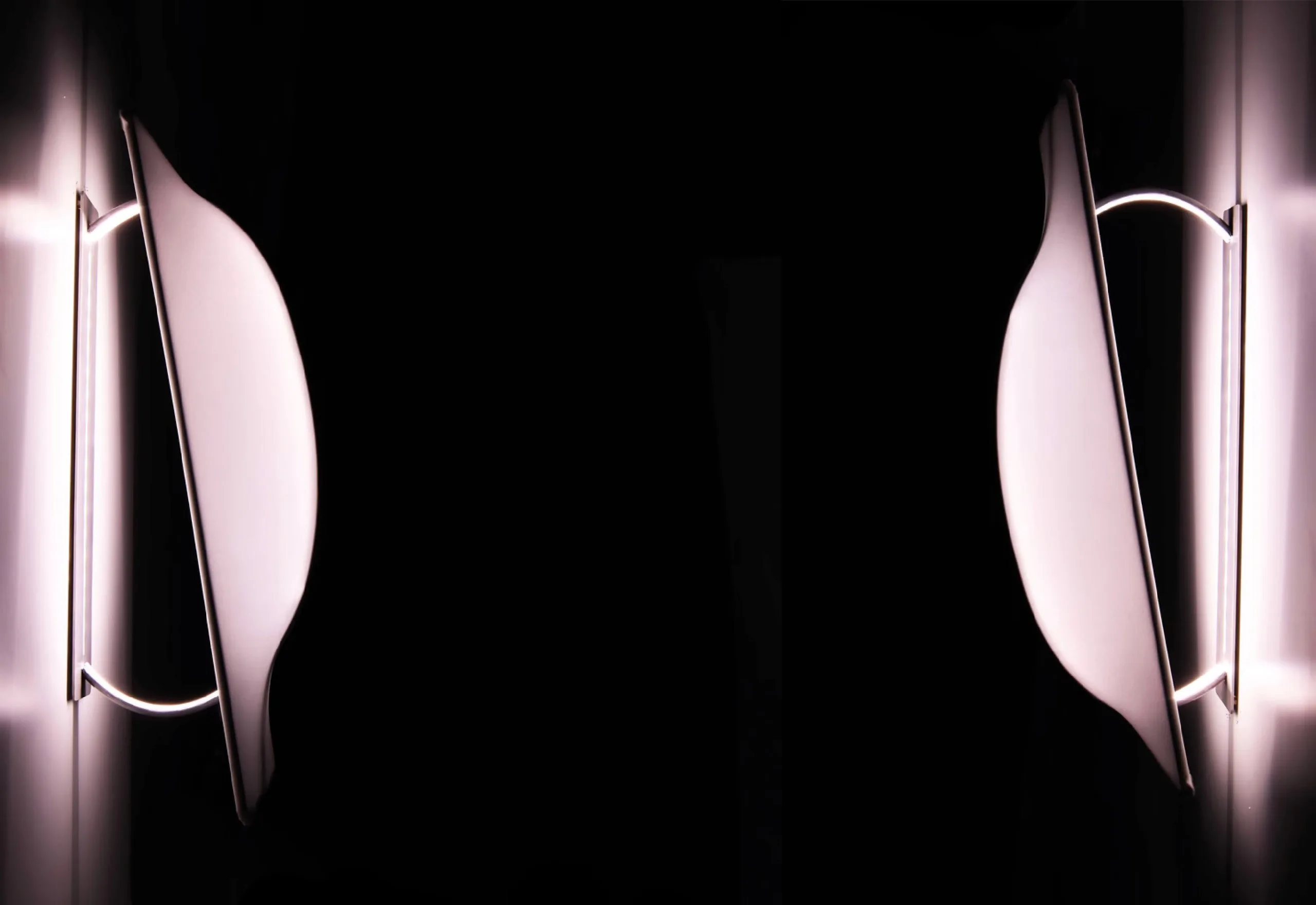
Wall — mounted vertically, it turns its curved profile toward the surface behind it, grazing the wall with light and washing it in soft gradients.
Floor — standing at human height, it casts reflected light across nearby surfaces while the fabric diffuses a warm, ambient presence into the room.
Same object, same idea — three answers to the question of how a room is lit.
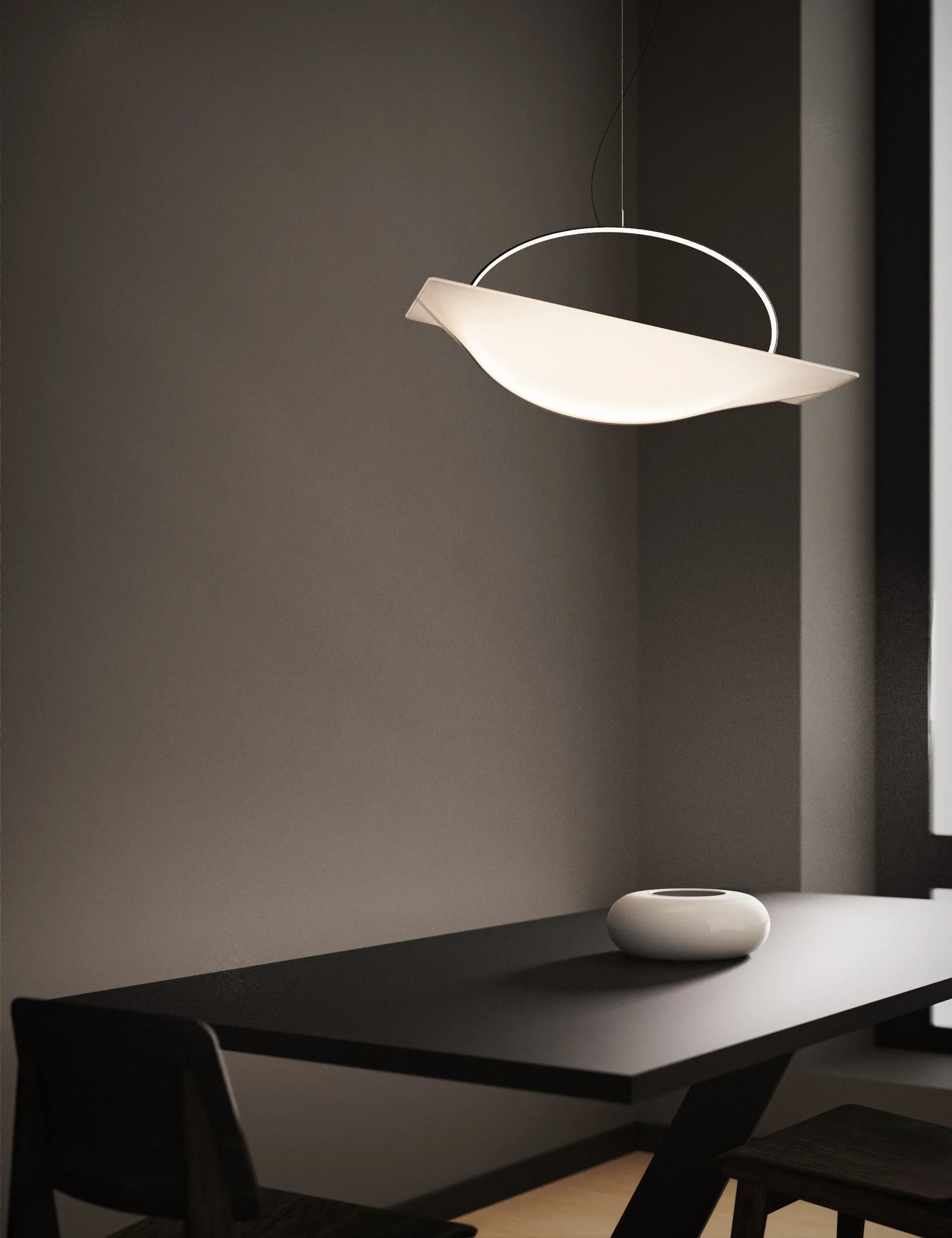
One Object, Three Kinds of Light
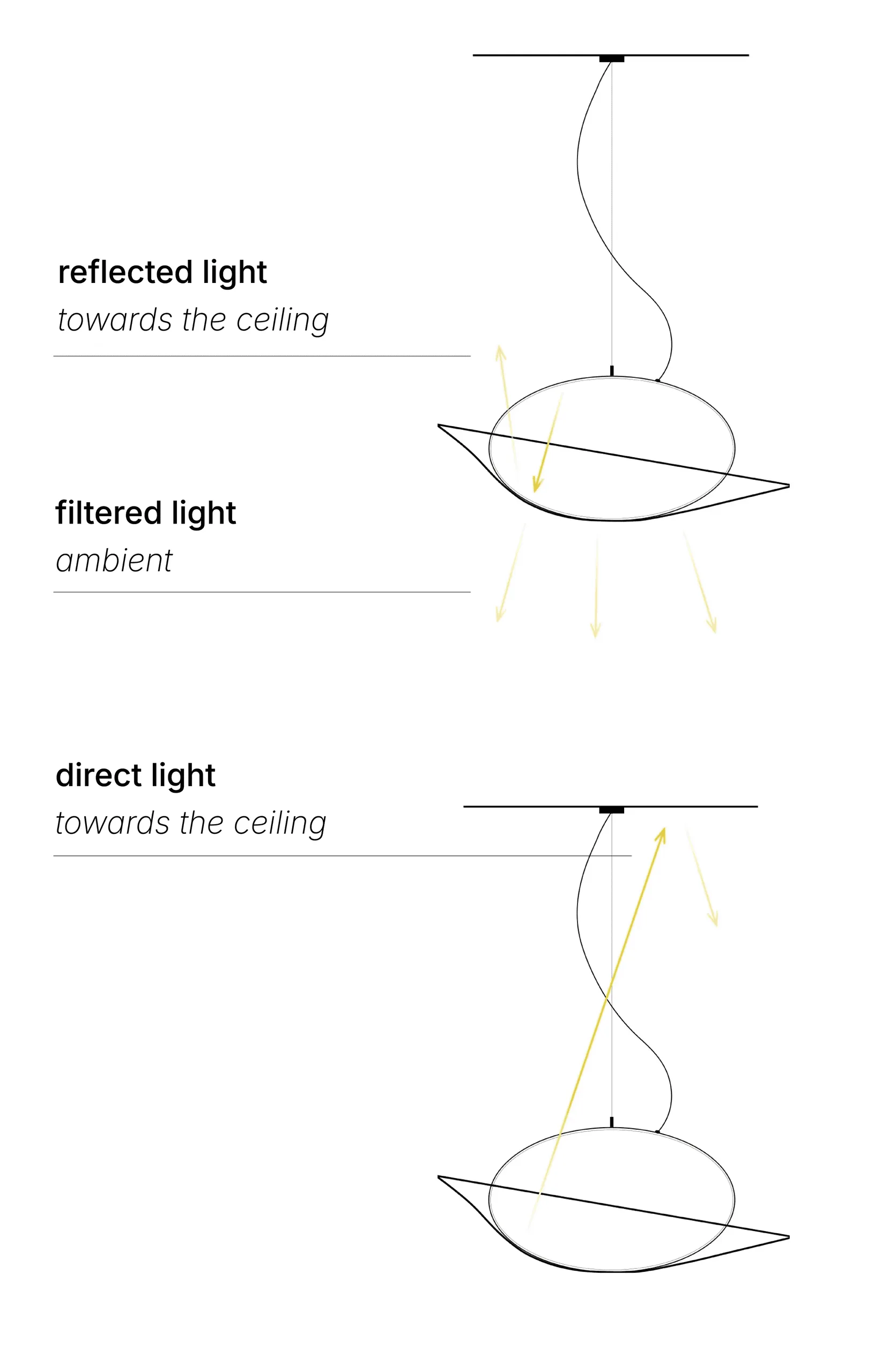
Depending on how it is placed and oriented, Phi shapes light in three distinct registers:
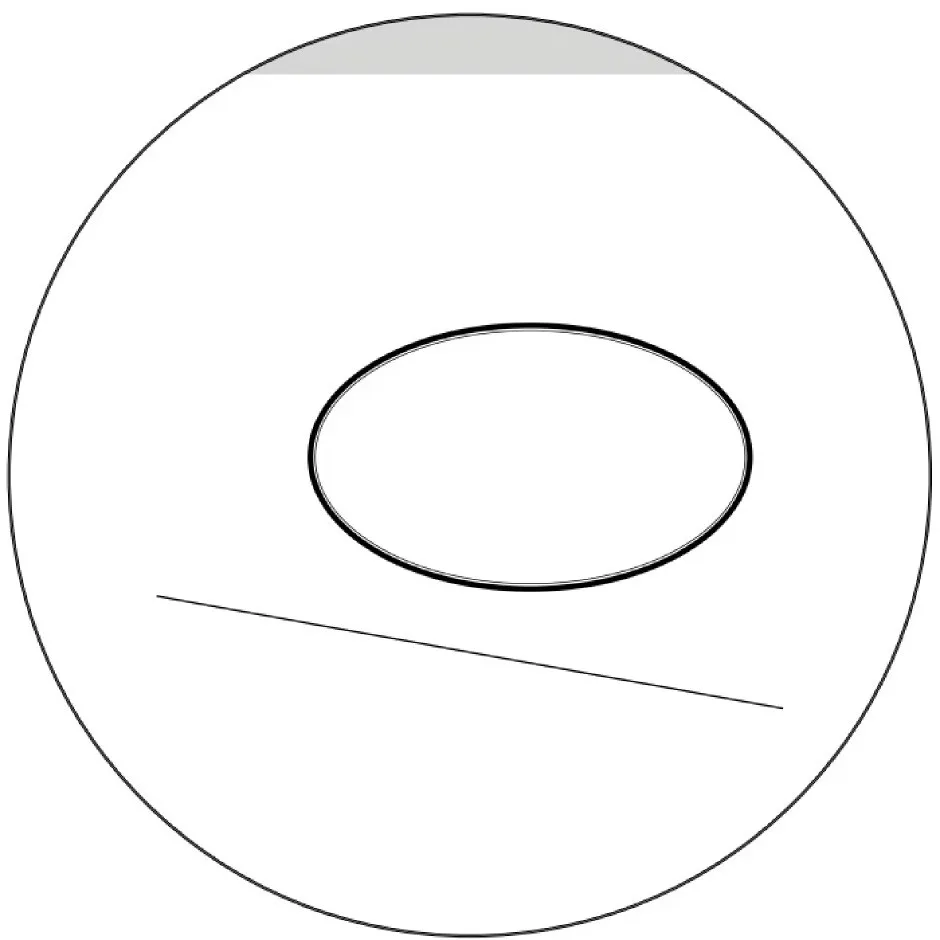
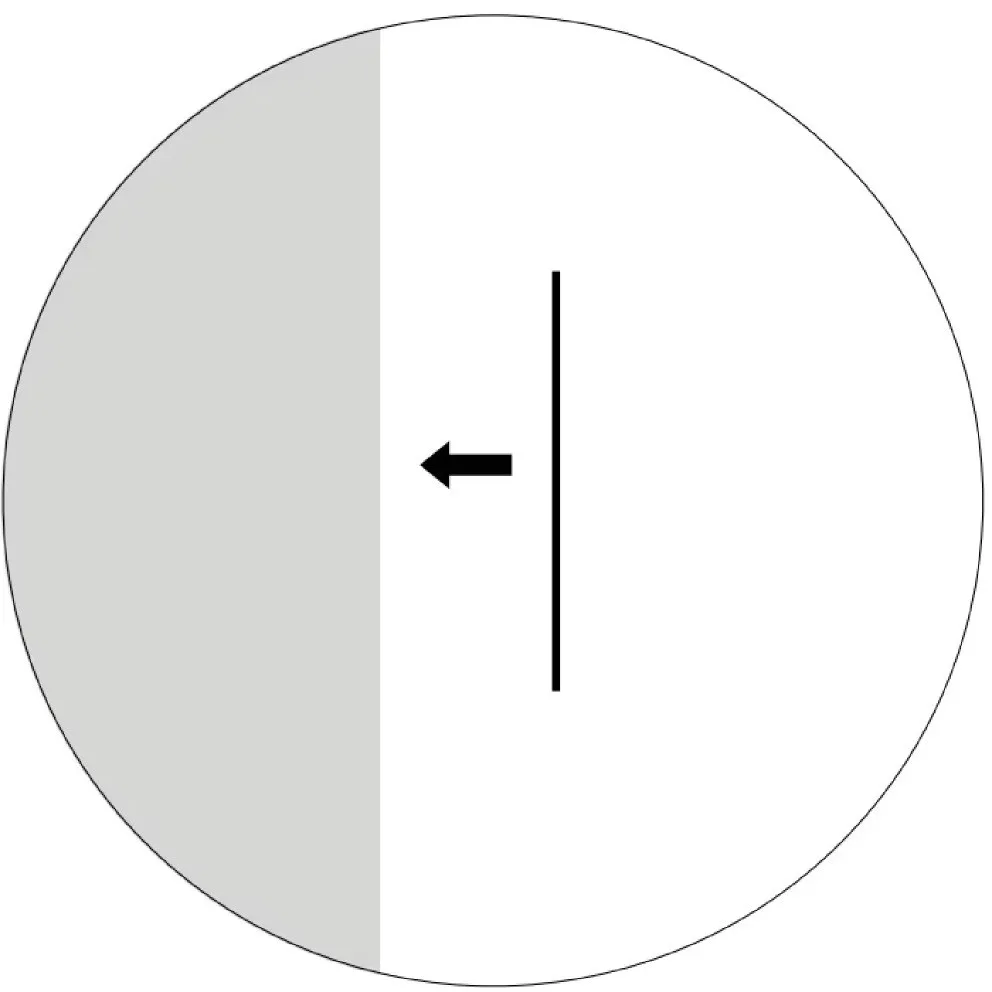
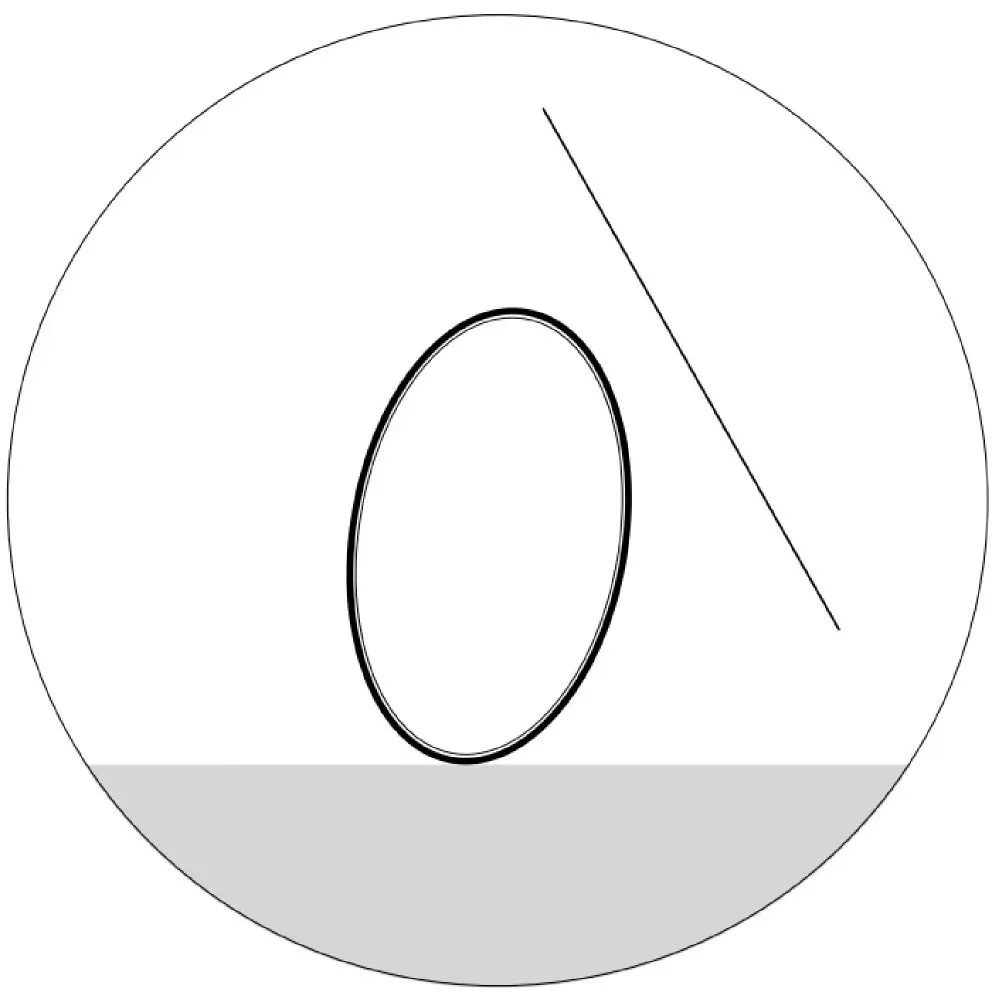
Direct — a clean throw of light, washing upward toward the ceiling.
Reflected — light bounced off a wall or ceiling, grazing or diffused, for a softer indirect glow.
Filtered — light passing through the elastic fabric itself, radiating as a gentle ambient source.
A single object can therefore move between task, accent and atmosphere, simply by how it is set in the room.
Easy Assembly
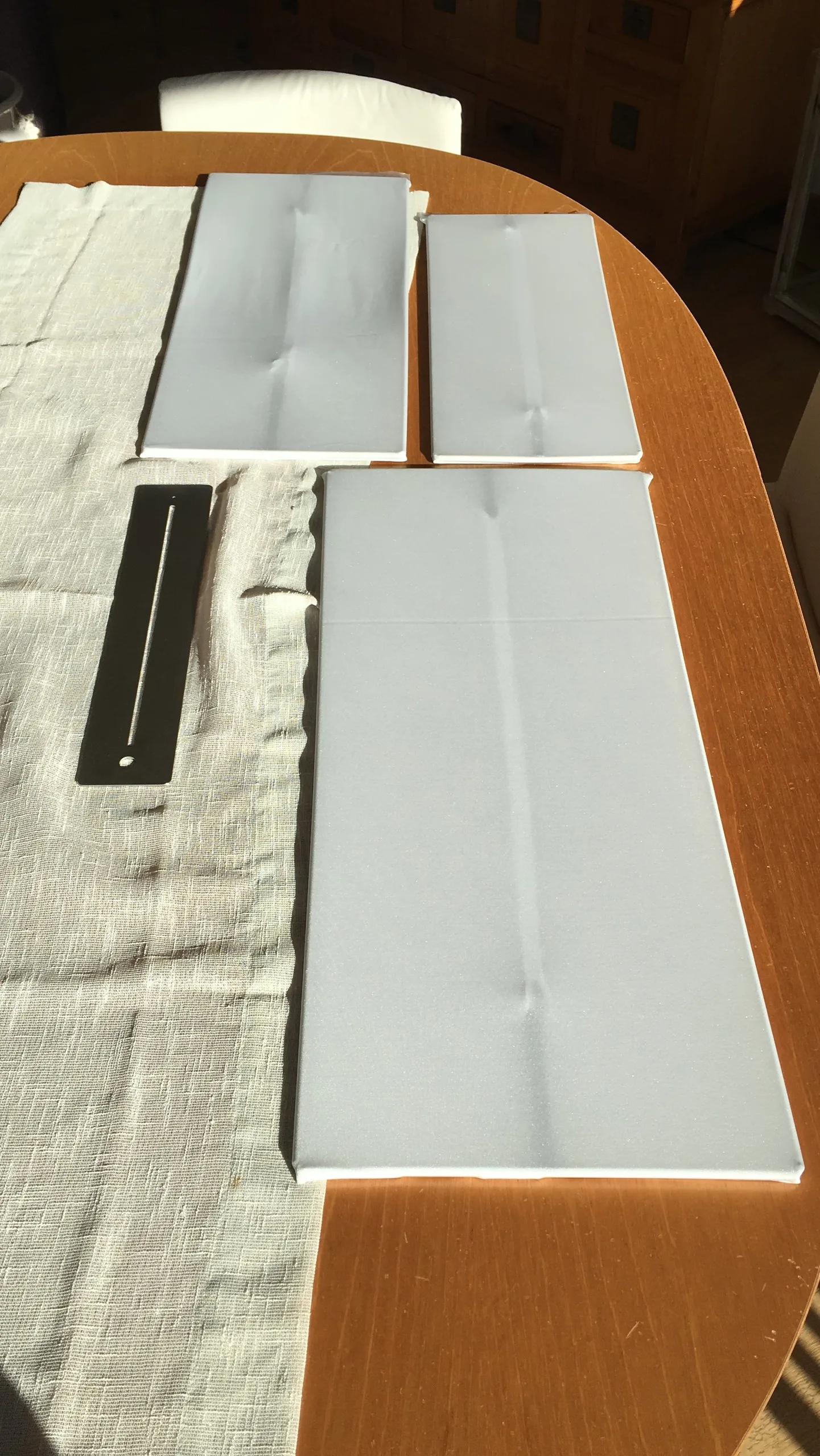
Phi comes together in seconds. The lamp resolves into just two parts: a frame that stretches and holds the fabric, and the aluminium profile that carries the LED strip. The two simply interlock and are secured by screws. The wall version pares the system back further still: there the profile is not a full ellipse but a half-arc that embeds directly into a wall plate, anchoring the lamp to the surface while keeping assembly just as immediate.
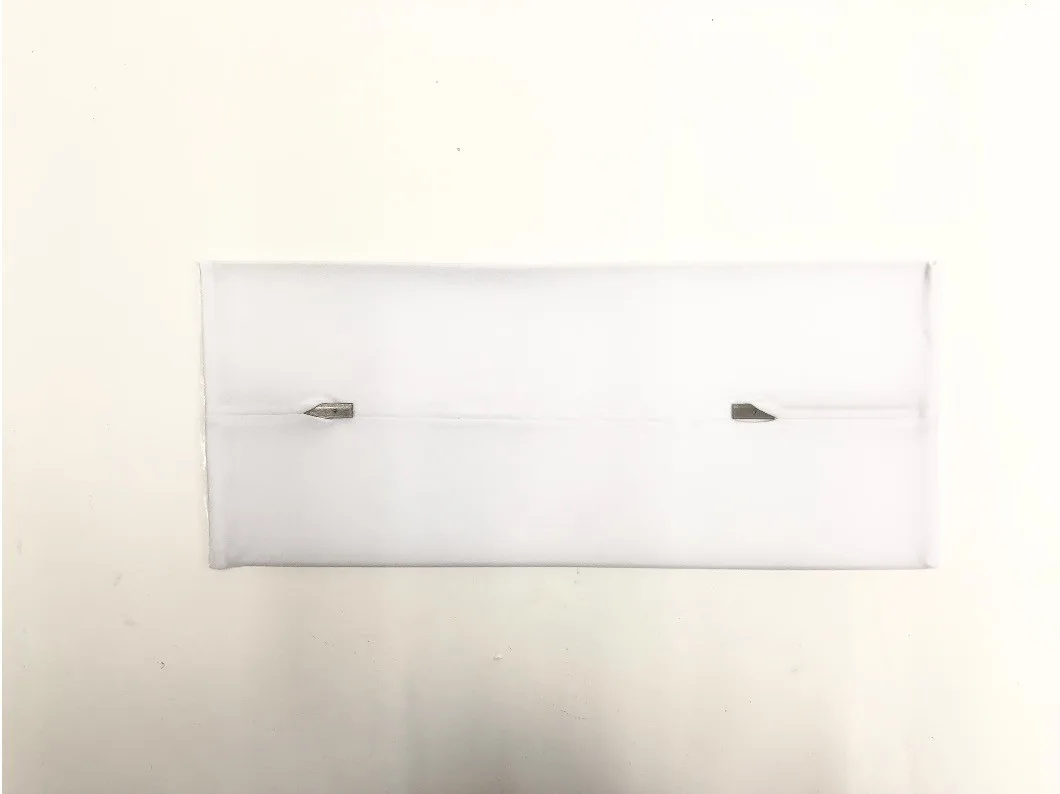
Removable & Washable
The fabric cover comes off completely and can be washed, pairing the formal cleanliness of the object with genuine, long-term practicality — an everyday lamp meant to be lived with, not just looked at.